
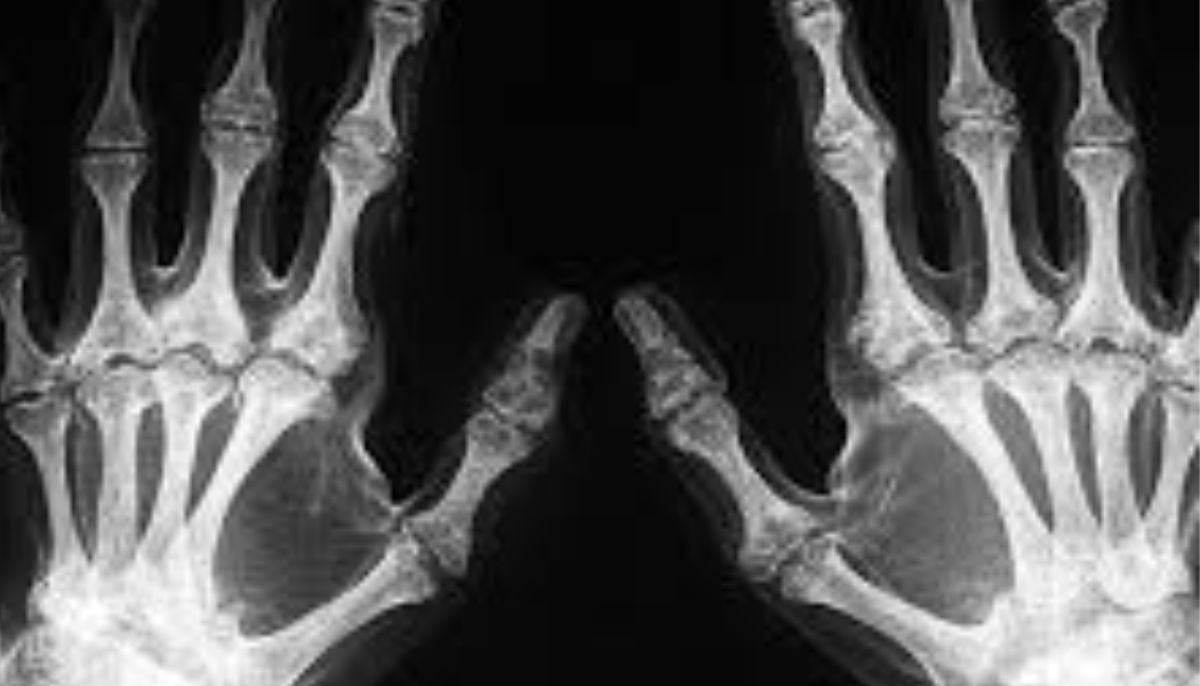
Researchers from the Chinese Academy of Sciences (CAS) have proposed the “Hypothesis of Acquired Conservation of Right-Hand Preference.” The study suggests that handedness is not something we are born with, but rather a habit rapidly established during early childhood through repeated use.
To test this, scientists used untrained mice-which normally use both paws equally-and placed them in challenging feeding scenarios that forced them to choose a specific paw to reach food. After only 5 to 7 trials of forced use, mice developed a lasting preference that remained for over a month, even when they were no longer forced to use a specific limb. The most striking discovery occurred when researchers tried to switch the mice’s habits:
Right-paw habits were persistent and extremely difficult to change. On the other hand, left-paw habits were easily corrected or shifted back to the right paw. When forced to alternate paws, the vast majority of mice eventually settled on the right paw. Only a small, stubborn minority stayed left-pawed, accurately reflecting the 90/10 distribution seen in humans.
The study published in the Journal of Genetics and Genomics, concludes that human handedness is a result of acquired conservation. This further suggests that while we might start with equal potential, early-life repetition and an underlying biological persistence for the right side solidify the preference. Some research indicates a slightly higher prevalence of left-handness in Western Europe and North America, scientists often debate whether this is due to genetics or cultural pressures to correct left-handedness in childhood.
“A right-hand preference, once formed, is more stable and easier to sustain than a left-hand one, granting it a cumulative advantage in individual development. Reinforced by a right-hand-dominant social environment, this tendency ultimately creates our ‘right-handed world,” said Sun Zhongsheng, a researcher from the Institute of Zoology at the CAS.