
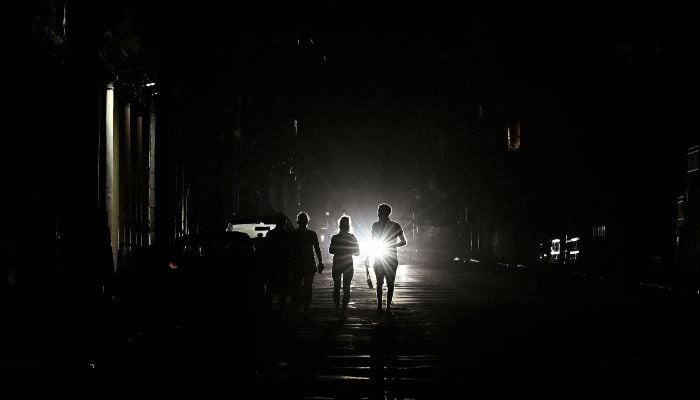
HAVANA: Cuba’s power grid was restored, officials said, a day after the second nationwide blackout in a week as the crisis-hit island struggles under a US oil blockade.
Two-thirds of Havana had power again in the afternoon, the capital’s electricity company said, a day after the energy ministry reported a “total disconnection” of the national electric system in the country of 9.6 million people.
“Thanks to the efforts of our electrical workers, the SEN (National Electric System) was restored,” Prime Minister Manuel Marrero Cruz said on X late Sunday.
Authorities cautioned, however, that demand would still exceed supply.
The outage comes as Cuba’s communist government has faced growing pressure from US President Donald Trump, who imposed the de facto oil blockade in January and mused this past week about “taking” the Caribbean island.
A top Cuban diplomat said the country’s military was “preparing these days for the possibility of military aggression.”
“We truly hope that it doesn’t occur,” Deputy Foreign Minister Carlos Fernandez de Cossio told NBC’s ‘Meet the Press’ in an interview taped before the blackout.
He said Havana was willing to continue talking with Washington, but discussing changes to its political system was off the table.
“Cuba has no quarrel with the United States. We do have the need and the right to protect ourselves. But we are willing to sit down,” Fernandez de Cossio said in the interview, which aired Sunday.
Restless night
There have been seven nationwide blackouts since 2024, making life more difficult for Cubans who fear food will spoil in refrigerators, among other problems in a country in economic crisis.
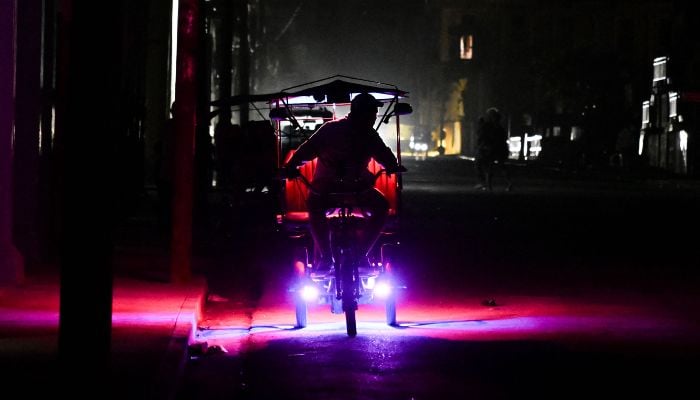
“The truth is, it gets harder every day to live with this situation,” Alina Quinones, a 48-year-old nurse, told AFP as she headed to the Havana hospital where she works, after barely sleeping.
She had no power, internet or phone connection, making it impossible to reach relatives in Matanzas, a city east of the capital.
Francisco Gonzalez, a 79-year-old retiree, also said he had a sleepless night in the dark, “sitting in an armchair at home, waiting for the power to come back on.”
Regular outages, as well as persistent shortages of food, medicine and other basics, are fueling public frustration, with people banging pots at night as a form of protest.
In a rare moment of violence, demonstrators vandalised a provincial office of the Cuban Communist Party last weekend.
The breakdowns have intensified since Cuba’s main regional ally and oil supplier, Venezuela’s socialist leader Nicolas Maduro, was captured in a US military operation in January.
Trump subsequently threatened to impose tariffs on countries that sell oil to Cuba.
No oil has arrived since January 9, hitting the power sector, while public transport has dwindled and airlines have curtailed flights to the island, a blow to its all-important tourism business.
‘Very severe’
The latest grid failure was due to an outage in a generating unit at one of the country’s ageing thermoelectric plants, triggering a domino effect in the system, according to authorities.
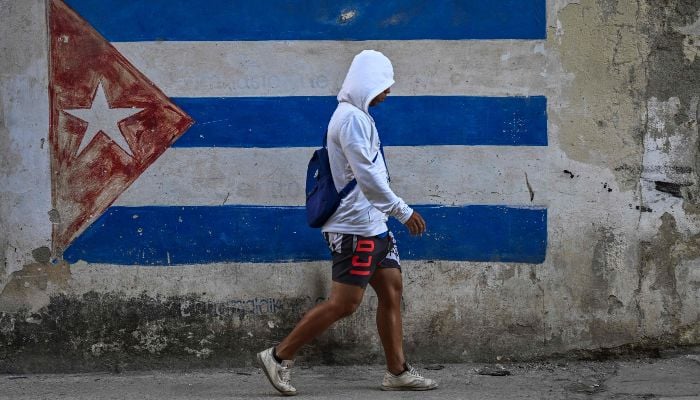
The blackout occurred as an international aid convoy began arriving in Cuba this week, bringing sorely-needed medical supplies, food, water and solar panels to the Caribbean island.
But getting oil to power its decades-old thermoelectric plants is becoming increasingly urgent.
“It is very severe. And we are acting as proactively as we can to cope with the situation,” Fernandez de Cossio told NBC.
“We do hope that fuel will reach Cuba one way or the other and that this boycott that the United States has been imposing does not last and cannot be sustained forever,” he said.