
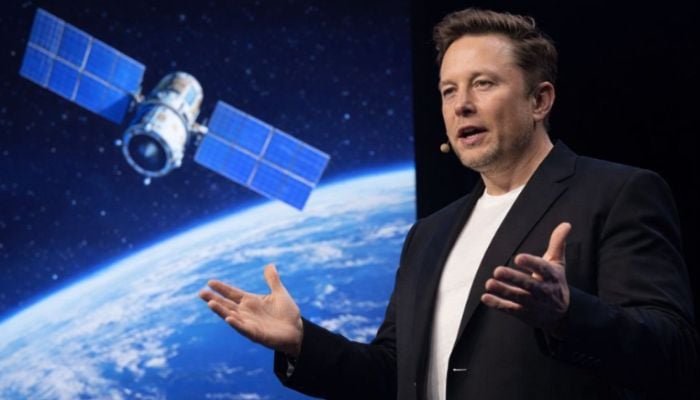
Driven forward by Elon Musk and an aggressive push from major tech firms, the race to industrialize low-earth orbit has entered an unprecedented phase.
Tech companies and space agencies are laying the groundwork for orbital computing infrastructures that could permanently alter humanity’s view of the stars. proposals submitted to regulatory bodies—most notably an ambitious framework championed by Elon Musk’s SpaceX—outline plans scaling toward a staggering one million satellites.
Proponents argue that shifting data centers into space is a necessary evolution. terrestrial computing hubs face mounting hurdles, including severe physical space limitations, soaring electricity consumption, and intense local pushback over water and power usage.
Placing server racks in orbit leverages continuous solar generation and unique thermal dynamics, which developers claim will help power next-generation artificial intelligence models like Grok.
However, the scale of the proposed expansion has triggered intense alarm across the global scientific community.
Astronomers and dark-sky advocates warn that introducing a mega constellation of this magnitude would radically outnumber natural stars visible to the naked eye, severely compromising both optical and radio astronomy.
Furthermore, critics point to the long-term environmental hazards of routine, high-frequency rocket launches and the escalating risk of the Kessler syndrome—a worst-case scenario where orbital collisions cascade into an impenetrable field of space debris.
As regulators weigh these competing visions, the debate highlights a profound philosophical crossroads: whether the pursuit of a space-based technological utopia is worth trading away our shared stargazing past.