
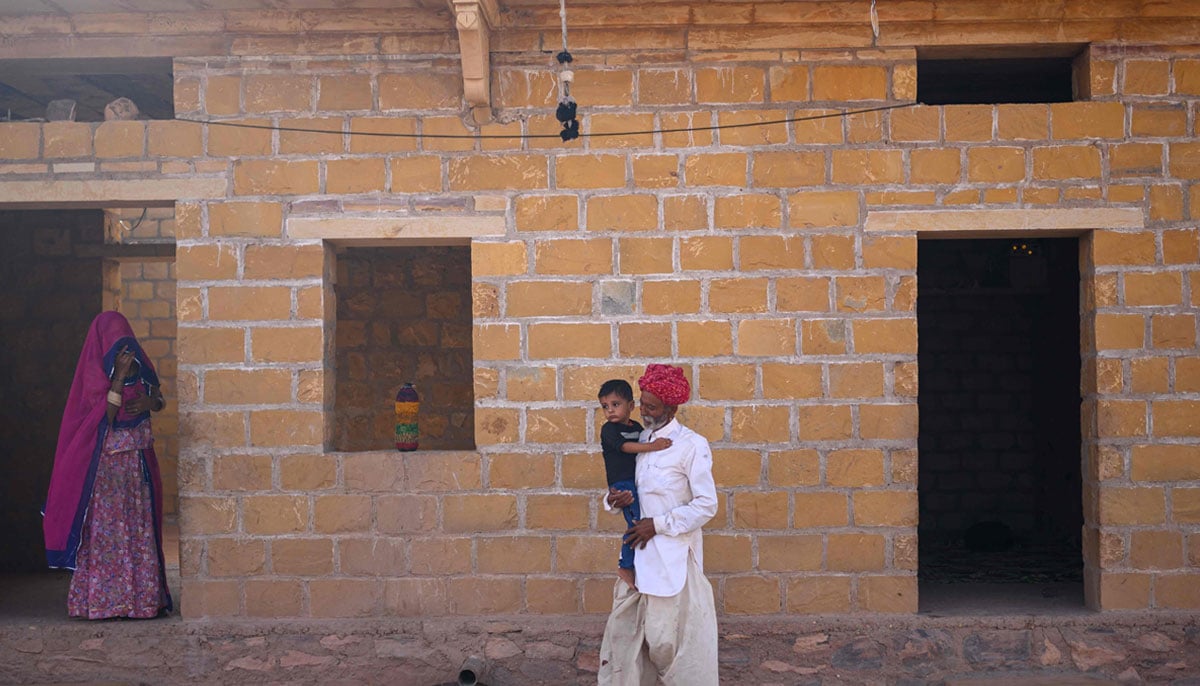
Image shows herdsman Sawai Singh Bhatis father, Khet Singh carrying his grandson at their house in Sanwata village on the outskirts of Rajasthans Jaisalmer city.— AFP

India learns to live with hotter summers

by Pakistan News
0 comment 0 views


On India’s hot plains, scorching summers have become increasingly harder to endure, requiring adaptations and forcing life into the hours of dark before the sun turns punishing.

“We try to adjust, but the traditional ways to combat heat are not working,” said 26-year-old herdsman Sawai Bhati Singh, who lives outside the desert city of Jaisalmer, in the western state of Rajasthan.

“Every year the heat is increasing.”

Image shows herdsman Sawai Singh Bhati’s father, Khet Singh carrying his grandson at their house in Sanwata village on the outskirts of Rajasthan’s Jaisalmer city.— AFP

His home, made of thick stone blocks with few windows, helps keep some of the furnace-like heat out. But temperatures inside are still stifling.
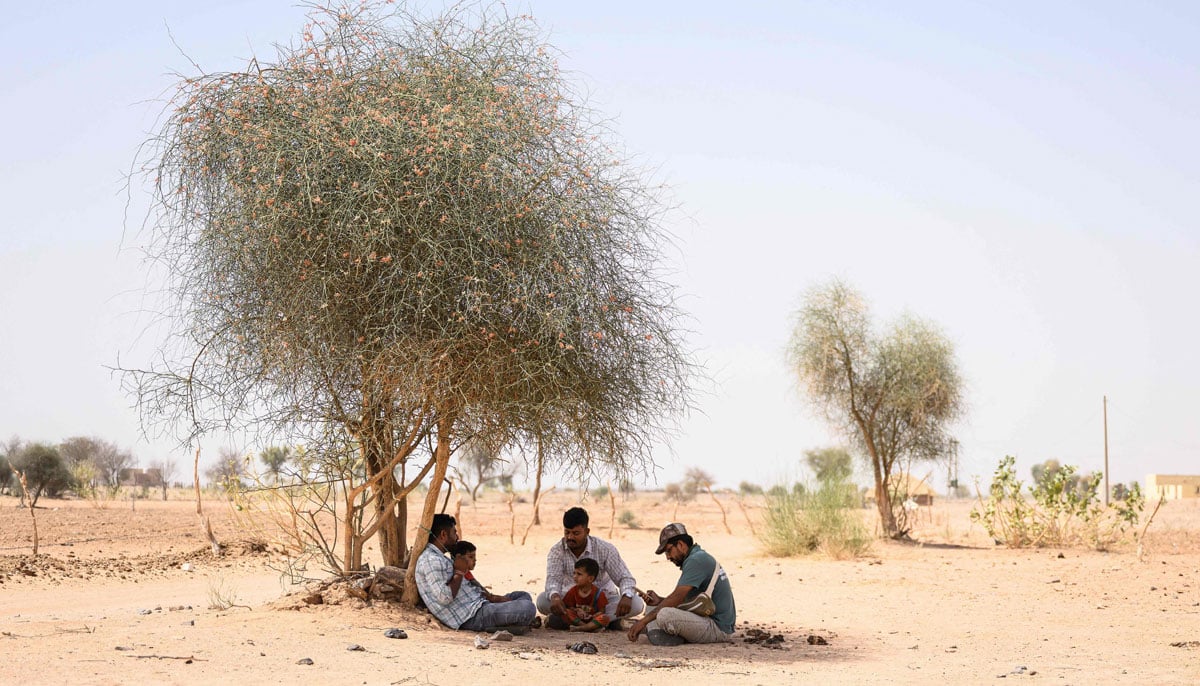
Herdsman Sawai Singh Bhati (centre) sitting with his son under the shade of a tree in 44℃ temperatures, near his house in Sanwata village on the outskirts of Rajasthans Jaisalmer city.— AFP
Herdsman Sawai Singh Bhati (centre) sitting with his son under the shade of a tree in 44℃ temperatures, near his house in Sanwata village on the outskirts of Rajasthan’s Jaisalmer city.— AFP

The South Asian country is no stranger to scorching summers, but years of scientific research have found climate change is causing heatwaves to become longer, more frequent and more intense.
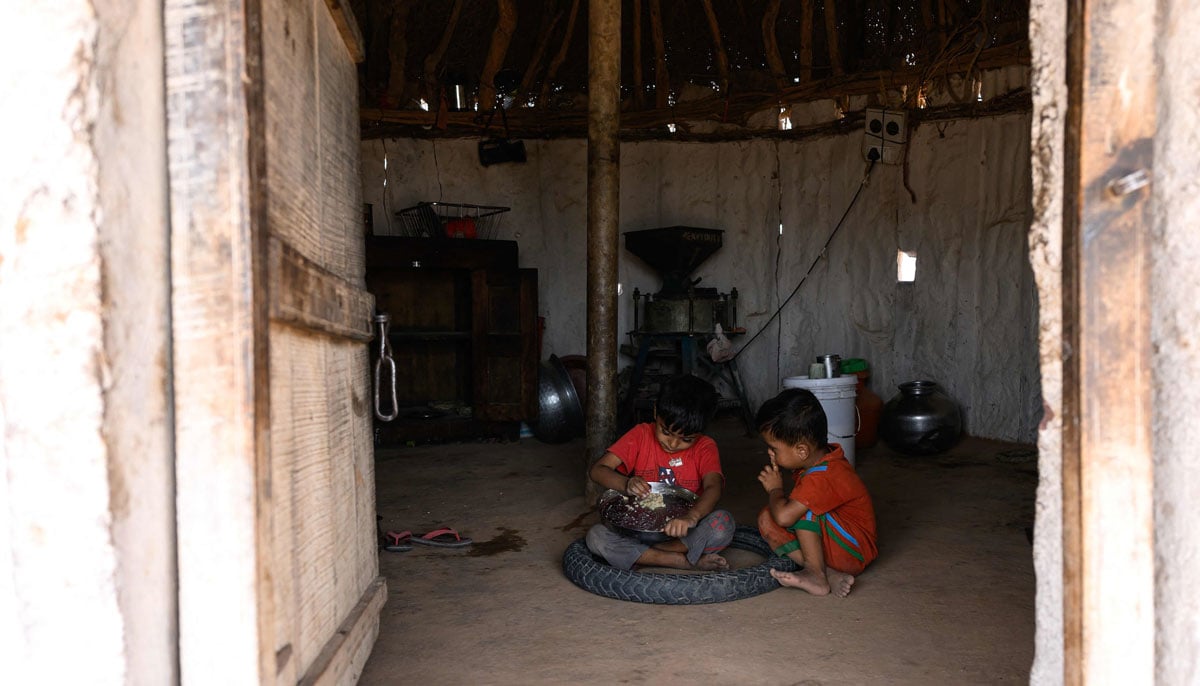
Herdsman Sawai Singh Bhatis sons Jeetu and Rahul have a meal inside a mud-kitchen in 42℃ temperatures, outside their house in Sanwata village on the outskirts of Rajasthan´s Jaisalmer city.— AFP
 Herdsman Sawai Singh Bhati’s sons Jeetu and Rahul have a meal inside a mud-kitchen in 42℃ temperatures, outside their house in Sanwata village on the outskirts of Rajasthan´s Jaisalmer city.— AFP

Temperatures in Singh’s village of Sanwata hit 45℃ in early June, as is often during the summer. The highest temperature recorded in the area has been 49℃.

Singh is worried about the health of his two young sons, aged two and four, playing barefoot in the dust.
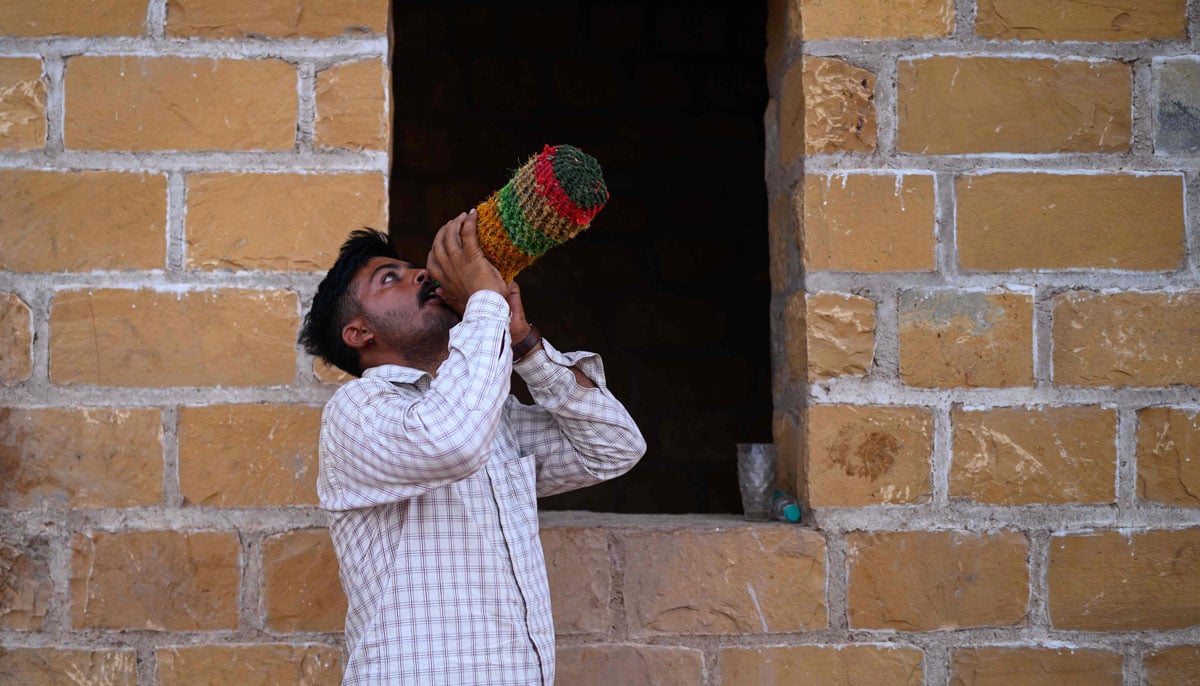
Image shows herdsman Sawai Singh Bhati drinking water from a bottle covered in handmade jute layer to keep it cool, after returing from work at his house in Sanwata village on the outskirts of Rajasthans Jaisalmer city.— AFP
Image shows herdsman Sawai Singh Bhati drinking water from a bottle covered in handmade jute layer to keep it cool, after returing from work at his house in Sanwata village on the outskirts of Rajasthan’s Jaisalmer city.— AFP

In a separate kitchen hut with a thatched roof for ventilation, his wife and mother struggle as they cook on a wood fire.

Water is drawn from a nearby well and cooled in bottles wrapped in woven jute string, using evaporation to lower the temperature.

Singh’s herd of goats and cattle struggles too.

“They stay in the shade,” he said. “The heat impacts the eating, and that lowers their milk.”

But temperatures are becoming harder to endure. The family bought their first air cooler, which uses wet fibres, last year.
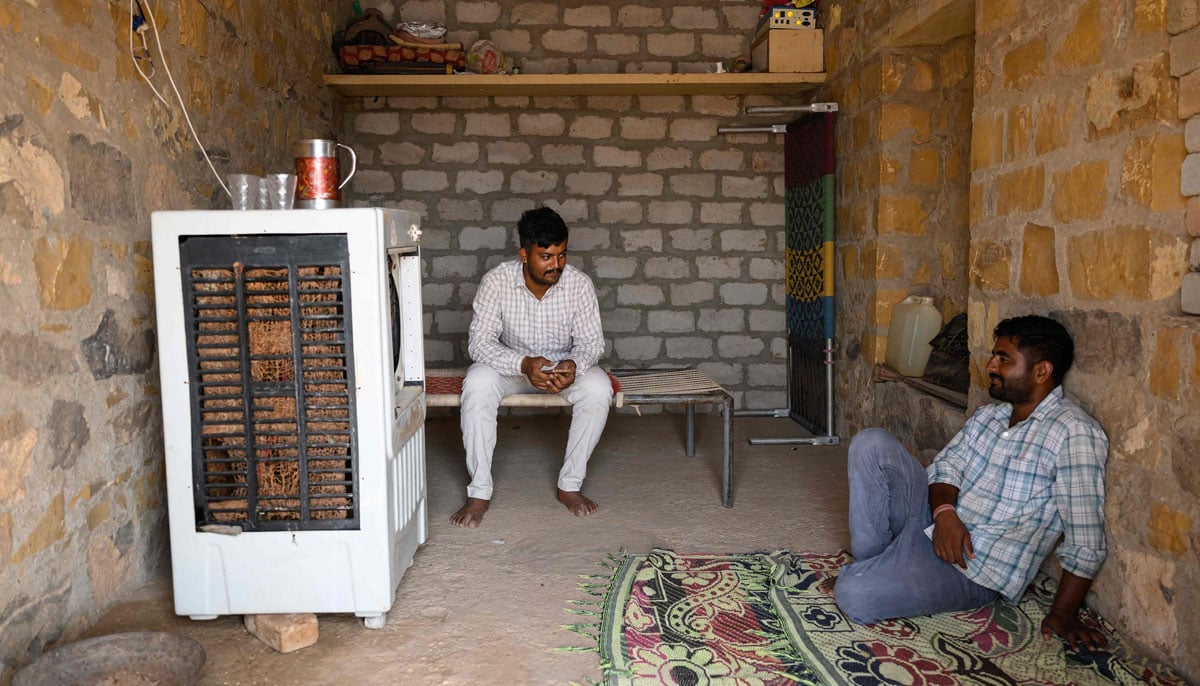
Herdsman Sawai Singh Bhati (left) talks to his brother while sitting in front of an air-cooler in 42℃ temperatures, at his house in Sanwata village on the outskirts of Rajasthan´s Jaisalmer city. — AFP
Herdsman Sawai Singh Bhati (left) talks to his brother while sitting in front of an air-cooler in 42℃ temperatures, at his house in Sanwata village on the outskirts of Rajasthan´s Jaisalmer city. — AFP 

“We never needed it before, but last year was hot, so we bought one,” he said. “Now we have two.”

A world away, along the lush green banks of the Yamuna river floodplains near the capital, New Delhi, farmer Bhole Shankar faces a different version of the same crisis.
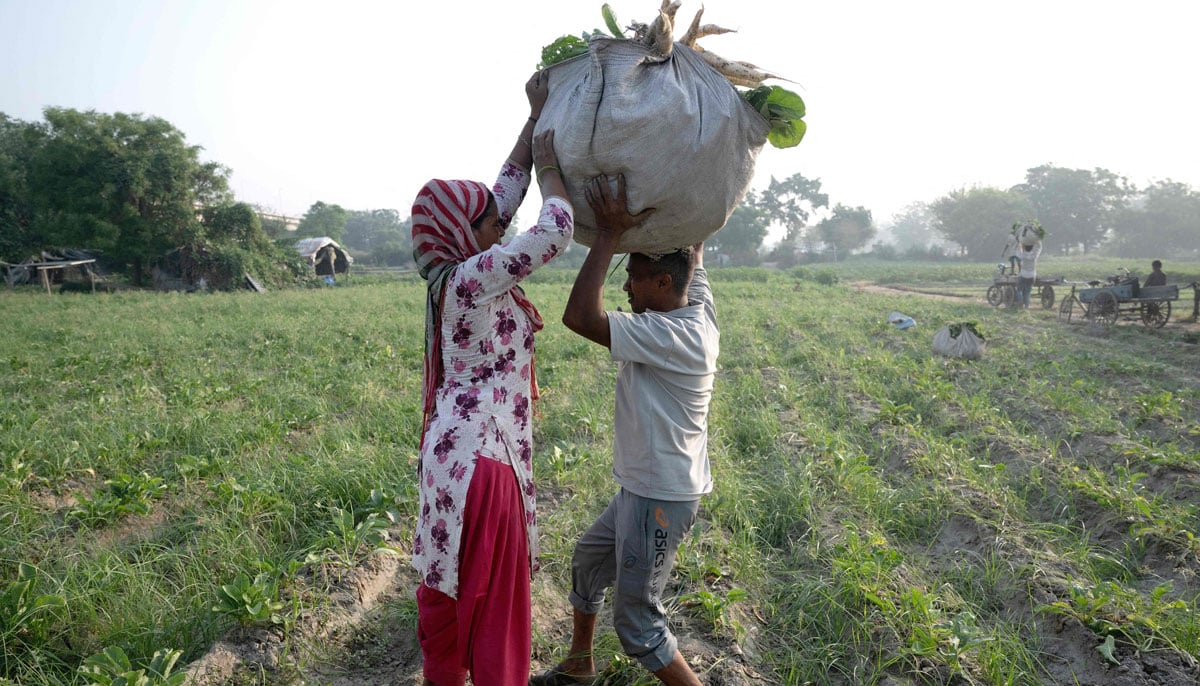
Farmer Bhole Shankar carry a sack of radishes harvested from the fields in approximately 40℃ temperatures, on the Yamuna river floodplains in New Delhi. — AFP

New Delhi hit 46.5℃ this summer, still below the sizzling 49.9℃ record measured in 2024.

“Living on the floodplain feels cooler than being stuck in the middle of houses,” 36-year-old Shankar said, standing outside a hut made of plastic sheeting on bamboo poles. “But on some days, day and night feel the same.”
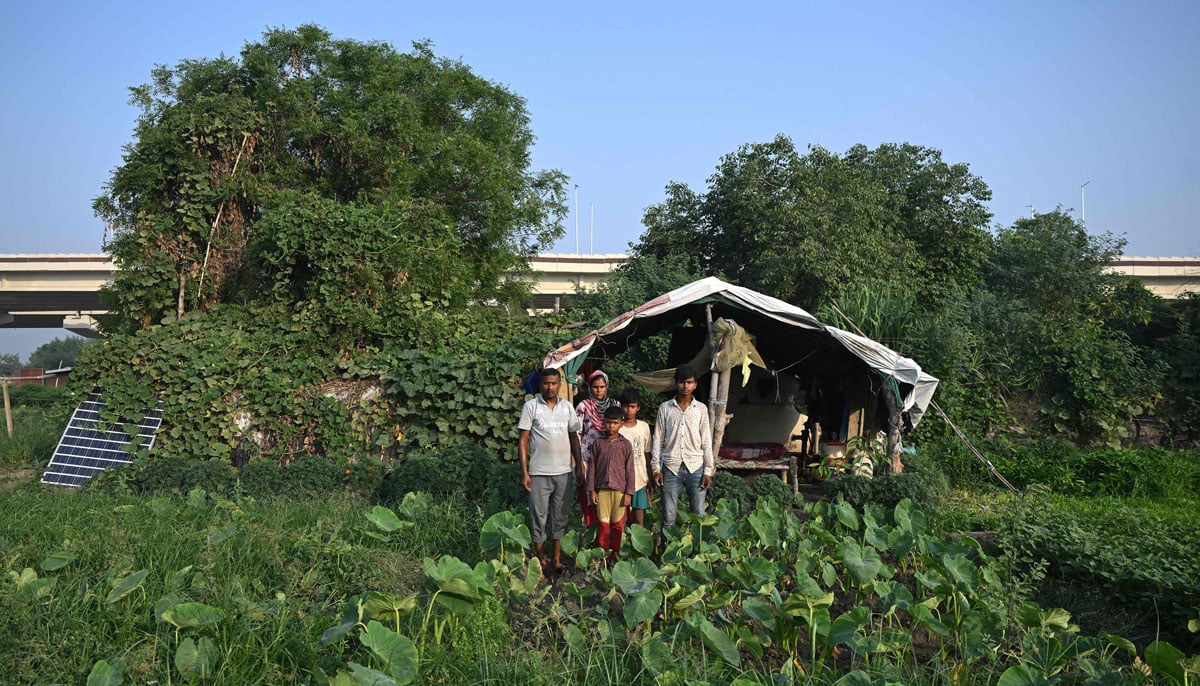
Farmer Bhole Shankar (L) posing for a family portrait in approximately 40℃ temperatures, outside their shanty on the Yamuna river floodplains in New Delhi.— AFP

Shankar, his wife and their three sons, aged between nine and 16, live beneath the city’s power lines — but their hut is not connected. A solar panel provides enough power to run a small fan, pushing hot air.
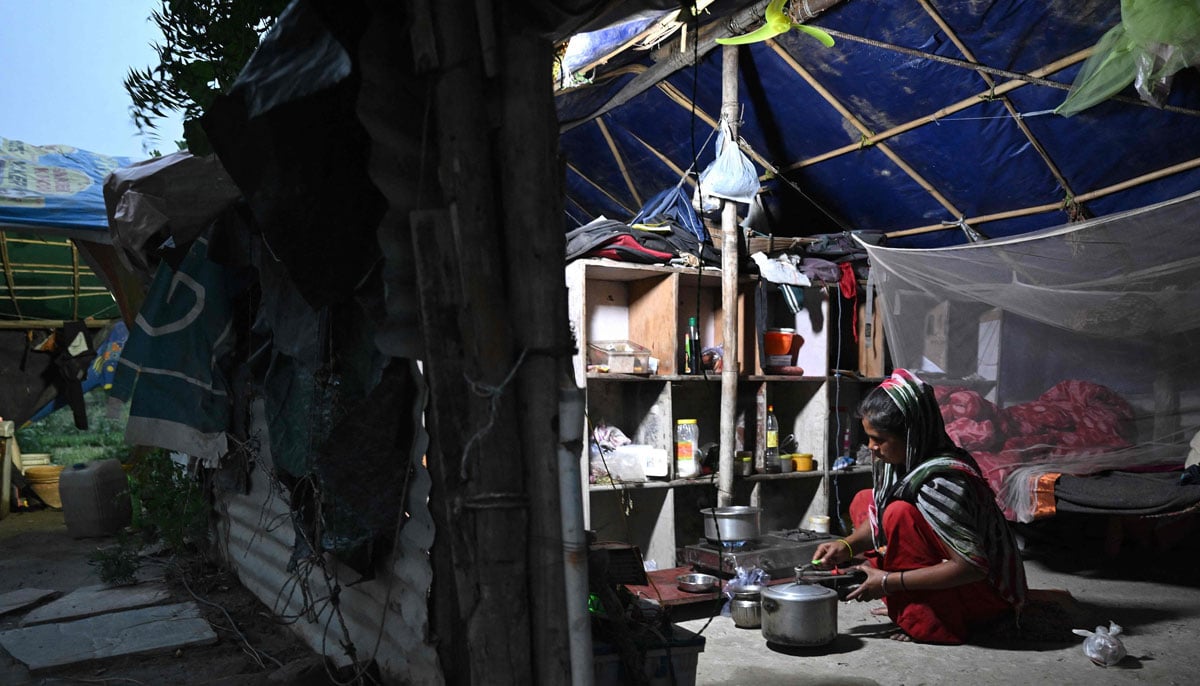
Image shows farmer Bhole Shankars wife, Debvati cooking dinner inside her shanty on the Yamuna river floodplains in New Delhi.— AFP
Image shows farmer Bhole Shankar’s wife, Debvati cooking dinner inside her shanty on the Yamuna river floodplains in New Delhi.— AFP

The family shifts its routine, working in the fields before dawn, resting in the shade during the fiercest heat, and returning to check crops towards dusk.
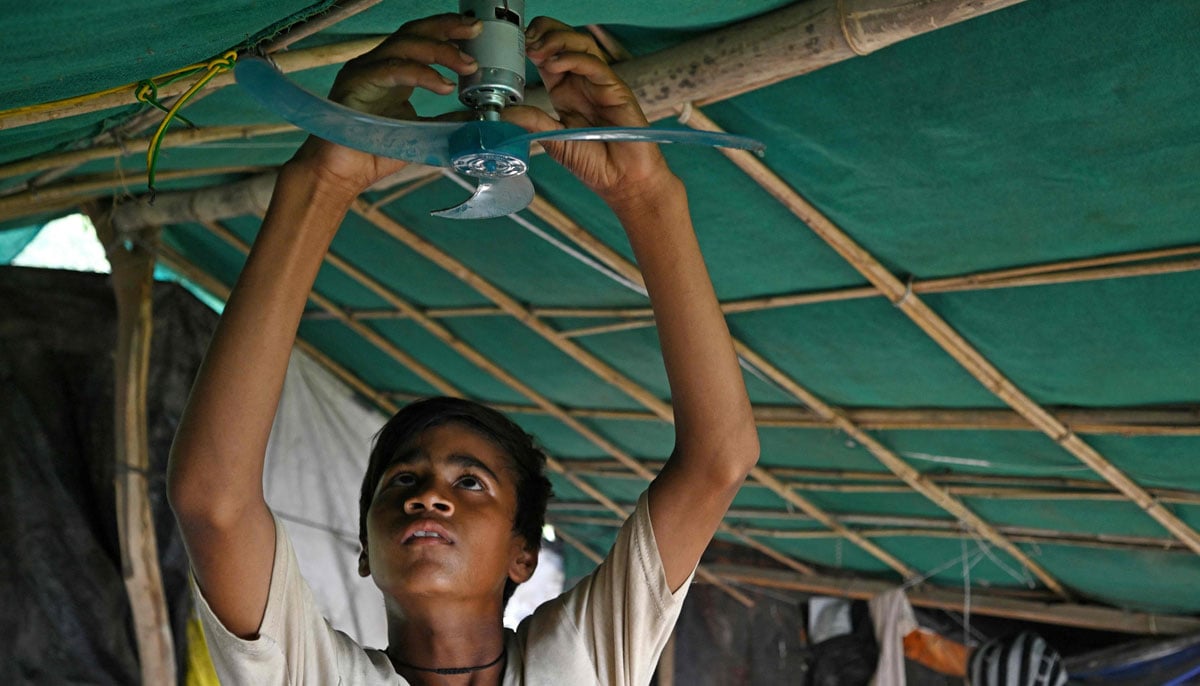
Farmer Bhole Shankar´s son, Tejpal fixing a portable electric fan in approximately 40℃ temperatures, inside his shanty on the Yamuna river floodplains in New Delhi. In the lush green banks of New Delhi´s Yamuna river floodplains. — AFP

The family roll up the tent’s plastic wall and sleep on traditional rope-lattice beds, which both allow air to circulate.
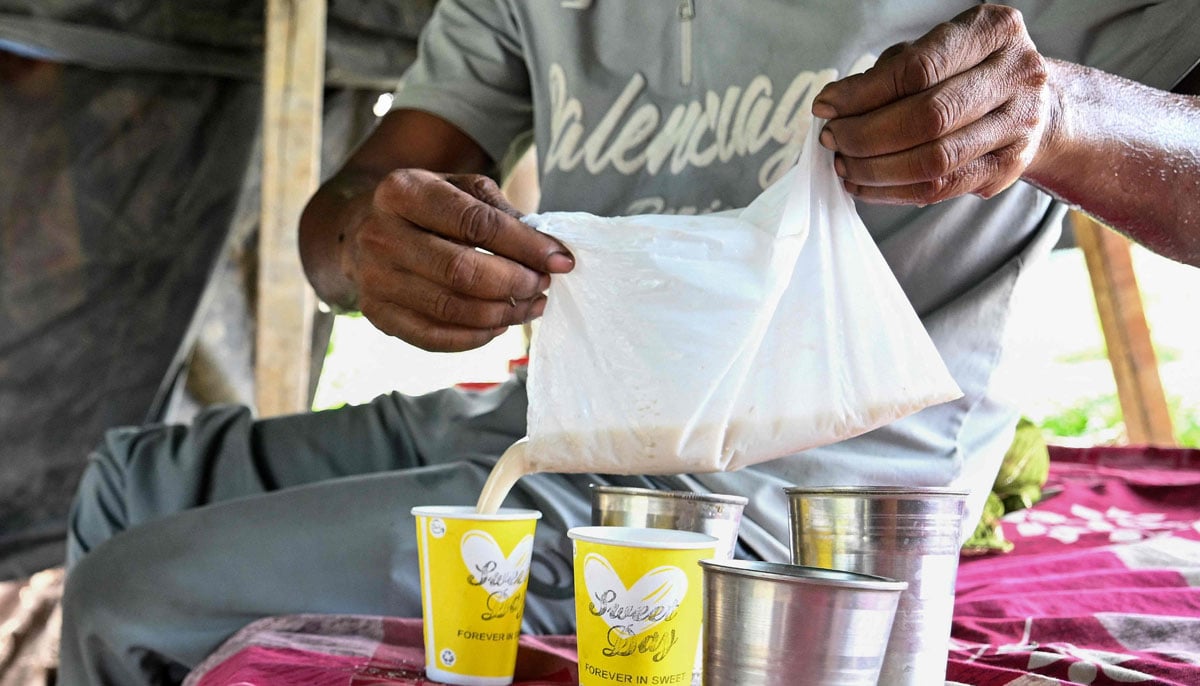
Farmer Bhole Shankar pouring fruit juice after returning from work in approximately 40 degrees Celsius temperatures, inside his shanty on the Yamuna river floodplains in New Delhi.— AFP

“Each passing year feels hotter,” he said. “We try to keep in the shade, but when you are a farmer, that’s hard.”



You may also like

Pakistan Live News
Pakistan’s Most Trusted, Source of News. Pakistan Live News is Pakistan’s most trusted website for breaking news and key developments.

Newsletter

Latest News

@2022 – Pakistan Live News – All Right Reserved.