
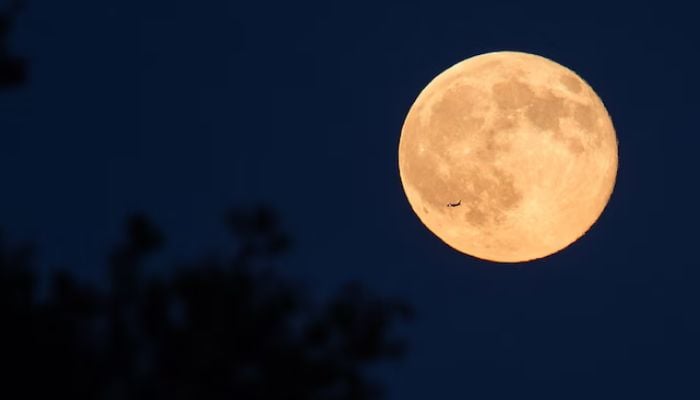
July’s full moon rises this week, reaching peak illumination at 10:36 a.m. ET on Wednesday, according to The Old Farmer’s Almanack. Known as the buck moon, it will still appear full to the naked eye for a day or so either side of that peak, giving sky-watchers plenty of chances to catch it.
The moon will sit low in the sky for Northern Hemisphere viewers, while those south of the equator will see it higher, though not as high as June’s full moon, according to EarthSky.
Aquarius full moon July 29: what to expect
This year’s Buck Moon falls in Aquarius, though astronomers note the astrological sign differs from the constellation the moon actually sits in. Noah Petro, chief of the Planetary Geology, Geophysics and Geochemistry Lab at NASA’s Goddard Space Flight Center, said viewers have “flexibility as long as you’re in a place that’s free of bright lights and you have a fairly clear view of the sky.”
Full moon 29 July: why the sky may look orange
For those looking up at the sky in the Northeast and Upper Midwest, the buck moon may be appearing in a redder or orangish colour than is usually seen. There has been smoke coming down from Canada’s wildfires that has created a layer in the atmosphere.
Pamela Gay, senior scientist at the Planetary Science Institute, says the same smoky haze that makes the days darker will cause the moon to appear orange.
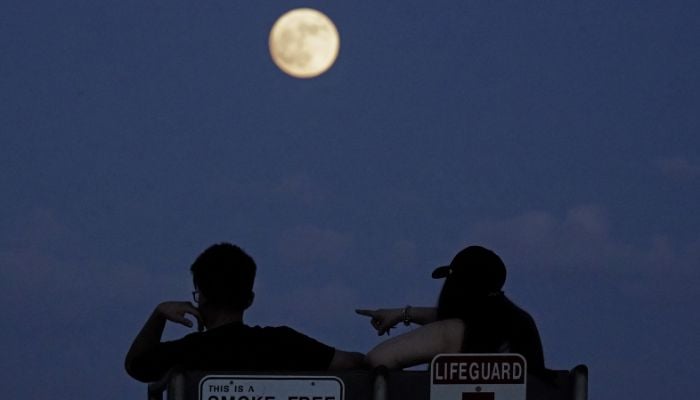
The name comes from the growth cycle of the antlers in male deer each July, although other names have been used by various Indigenous groups. The Dakota name it the moon of ripe chokecherries, while the Cree refer to it as the feather-moulting moon.
Petro equated the event with the Apollo II mission, conducted by Artemis in April, which was the mission that sent four astronauts around the moon. According to him, it symbolises “the real connection with everyone here on earth and what is happening at the moon”.
There are five more full moons left in 2026, but November and December will bring supermoons, meaning the moon will be at its nearest position to earth.