
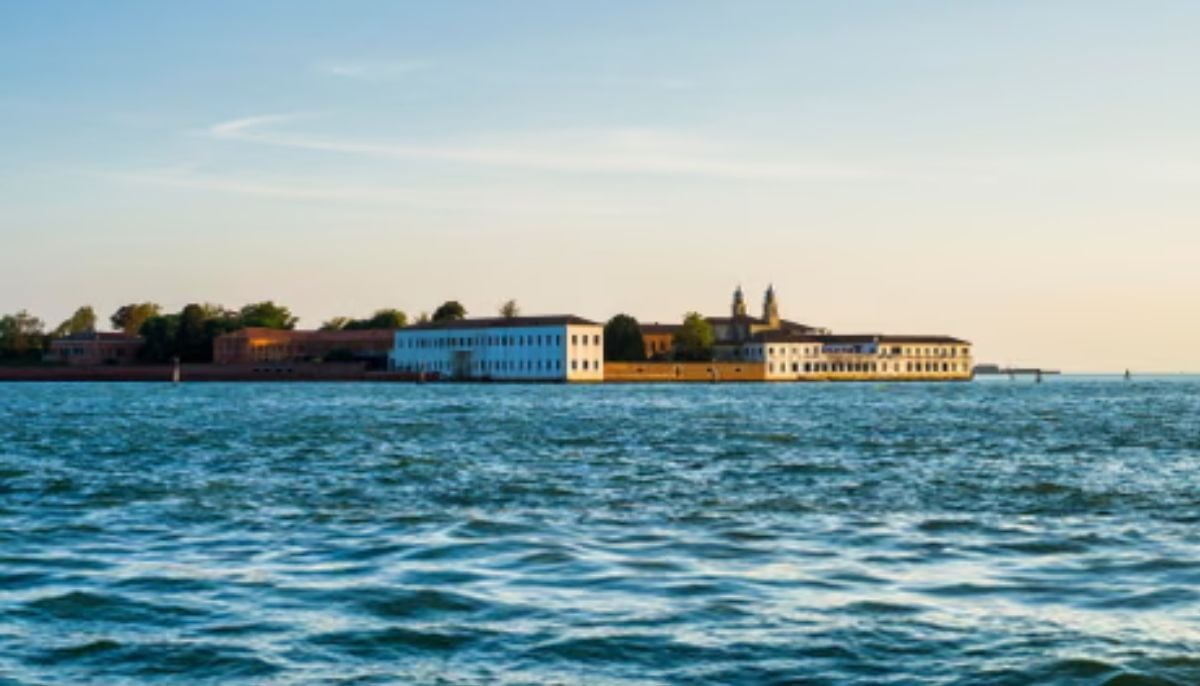
Recent observations of the scrubby banks in the Venice hinterland echo the faint wail of farmers’ three wheeled trucks, signaling a landscape under stress. This could be the vital step to retain agricultural productivity in a world of rising sea levels.
Halophytes that thrive in saltwater
This plant belongs to a group of incredible organisms known as halophytes, a species capable of thriving in saltwater.
They have been found in the interstitial spaces of coastlines, saltmarshes, and lagoon fringes, these plants are increasingly vital to both coastal ecosystems and modern cuisines.
According to The Guardian, once known as the breadbasket of Venice, the island of Sant Erasmo is now home to farmers facing a challenge that will soon become commonplace in coastal marshes globally.
Meanwhile, the thermal expansion of the ocean, increases in average temperature, and prolonged periods of abnormally low rainfall are leading to a rise in the concentration of salts in the soil.
An environmentalist scientist at the Tidal Garden has explored the edible potential of halophytes as a tool for climate change adaptation remarked: “Venice is the perfect playground because you have a very interesting and nuanced environment that has been inhabited, changed and transformed by humans for centuries.”
Planting halophytes to adjoin bordering farm fields
A team of researchers using halophytes has made efforts to address this issue as they found that bi-cropping and rotating tomatoes and glasswort led to more nutritious and abundant yield.
The researchers foresee planting halophytes on the tracks and fallow land bordering farmers’ fields.
They believe this ecological approach will mitigate the impact of run-off fertilizers, which are currently affecting the seasonal availability of the lagoon’s offerings.
The uncertainty surrounding halophytes stems from a suspicion of their weed-like ability to resilience and their ability to thrive in difficult environments.
In Venice, the Tidal Garden has recruited chefs, artists, and poets to stimulate commercial demand for halophytes.
Asciano, sharply perceptive of the local landscape, argues that planting these species and fallow borders add economic value without requiring farmers to sacrifice land designated for traditional commodity crops.
For Ascani, halophytes provide a vital link between his customers and lagoon, fostering a deeper appreciation for the land’s bounty, however unpredictable it may be.
Challenges remain in shifting consumer habits and scaling industrial processing, these salt-tolerant plants offer a truly sustainable path toward salvaging coastal agriculture.