
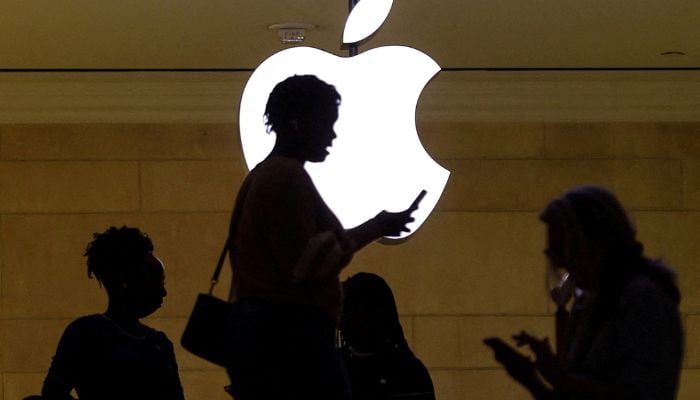
Apple shares fell 7.3% before the bell on Friday, on track to wipe out roughly $361.6 billion in market value, after the company warned that supply constraints, not weak demand, would weigh on growth in the coming quarter.
The sell-off came despite Apple beating revenue and profit expectations for the June quarter.
Cook said that the shortage of advanced chip manufacturing facilities was restricting the production of iPhones, Macs, and certain iPads.
This shortage is a consequence of a broader squeeze within the entire industry because of AI-fuelled demand for advanced chips and memory that increases the cost and strains the supply chain throughout the technology sector.
Apple gave its prediction of revenue growth by 9% to 11% for the present quarter, which was lower than Wall Street’s forecast of 12%, as well as the forecast of iPhone revenues growing at a mid-teens rate.
This pessimistic forecast came even after the 21.7% rise in iPhone sales to $54.25 billion for the June quarter and beating expectations of $53.86 billion in revenues.
According to J.P. Morgan analysts led by Samik Chatterjee, demand was still robust, but there was a “wall of supply and cost challenges”, suggesting constrained sales would be postponed and not lost.
This report is also the last earnings report from Cook in his role of CEO. On 1 September, he will hand the CEO position to John Ternus, which marks the end of 15 years of success for Cook, which made Apple the world’s most valuable company.
Apple’s ability to raise prices on its iPhones later this year without harming the revenue is now the focus for investors. According to TD Cowen analysts, the next iPhone cycle, new AI-driven Siri features, and the company’s upgrade programme may allow raising prices “without significant demand destruction”.