
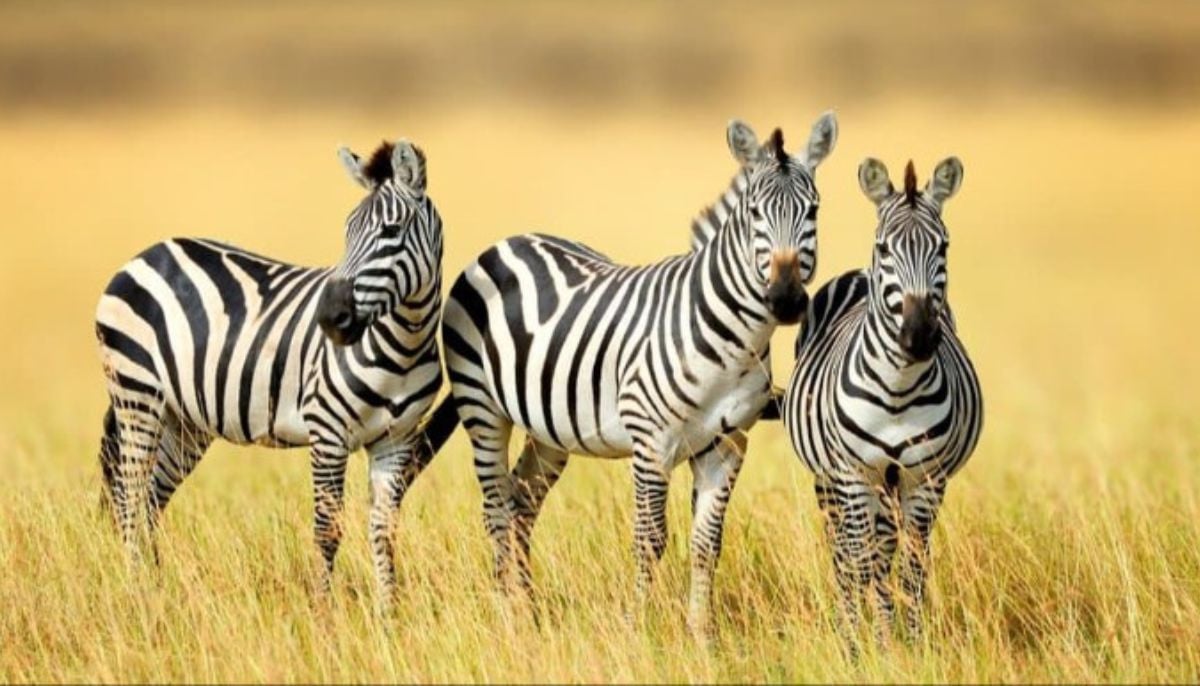
Wildlife and humans are facinng survival challenges before but now they had started thriving after long within some designated sites as a secure habitat for living.
Many sites recognized by UNESCO after long periods of research has allowed for the recovery of threatened species and habitats around the world.
Of the three forms of Unesco designation, the highest is world heritage sites, which are cultural monuments, achievements or natural areas judged to be of global significance, and governments are bound to protect them under the United Nation organisation’s founding treaty, the World Heritage Convention of 1972.
More recently, Unesco has introduced biosphere reserves, which are examples of sustainable development in action, and global geoparks, which have particularly important geology. Governments are expected to manage these areas too, but they lack the full legal force of the original.
While wildlife populations have crashed globally by nearly three-quarters since 1970, those within Unesco-protected areas have remained largely stable, reports Guardian.
“It’s good news, it shows that these sites are extremely resilient in the face of a changing world,” said Tales Carvalho Resende, one of the co-authors of the report People and Nature in Unesco Sites, published on Tuesday.
But the sites are also under severe threat: more than 300,000 sq km of tree cover, an area larger than the Republic of the Congo, has been lost within Unesco-designated sites since 2000, mostly owing to agricultural expansion and logging.
About 90% of Unesco sites globally are also judged to be under “high levels” of environmental stress, chiefly extreme heat.
One in four designated sites could reach critical climate tipping points by 2050, according to Unesco.
These include the disappearance of glaciers, collapse of coral reefs and forests drying out, turning from carbon sinks into carbon sources.
Many of the world’s “charismatic megafauna”, whose populations have plummeted in recent decades under an onslaught of poaching, the encroachment of agriculture and other stresses, have found havens in Unesco-designated sites, where they often receive far greater protection than in non-designated areas.
About a third of the world’s remaining elephants, tigers and pandas are in Unesco sites, as are about one in 10 of the remaining great apes, giraffes, lions, rhinos and dugongs.
Some of the most endangered species are also found only within Unesco reserves.
All of the 10 vaquita, a species of porpoise, thought to be the last of their kind, the 60 or so remaining Javan rhinoceros, and about 85% of the remaining population of Sumatran orangutans, thought to number about 15,000 individuals, are found within designated sites.
Additionally, Unesco sites are also home to about a 10th of the world’s population, who are benefiting from the biodiversity, generating about a 10th of global GDP, according to the report, which is the first global assessment examining all of the 2,260 protected areas.