
Musadaq Zulqarnain, a Pakistan Business Council (PBC) member, said that the $5bn aid from friendly countries may ease short-term pressures but is not in Pakistan’s long-term economic interest.
He said that repeated reliance on international financial institutions and external aid compromises national sovereignty and makes the economy sluggish and inefficient, The News reported.
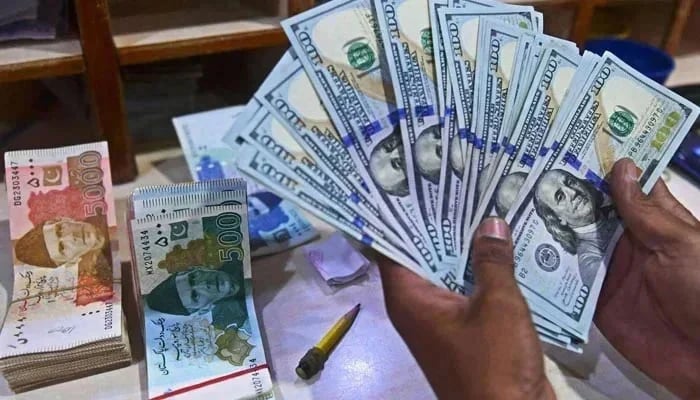
Zulqarnain’s statement followed a Bloomberg report that Pakistan is holding talks with Saudi Arabia and China to secure financial support as it prepares to repay a roughly $3 billion loan to the United Arab Emirates.
Islamabad will now repay the amount by the end of this month, putting significant strain on its foreign exchange reserves, which stand at about $16 billion, enough to cover just three months of imports.
The PBS member emphasised that Pakistan’s economic strategy should focus on boosting exports, increasing remittances, and attracting foreign direct investment (FDI).
Zulqarnain warned that overdependence on remittances, particularly from Gulf countries, poses risks due to potential economic slowdowns in the region. He added that Pakistan’s failure to maintain fiscal discipline has kept it far from achieving sustainable development goals.
Highlighting human development challenges, he noted that Pakistan ranks 168th out of 193 countries on the Human Development Index, underscoring the urgent need for investment in education, health, and nutrition.
He stressed that sustainable economic growth requires at least a decade of consistent investment in human capital.
It is to be noted here that Pakistan failed to reach an agreement with the UAE to roll over the debt for the first time in seven years. Islamabad will now repay the amount by the end of this month, putting significant strain on its foreign exchange reserves, which stand at about $16 billion, enough to cover just three months of imports.