
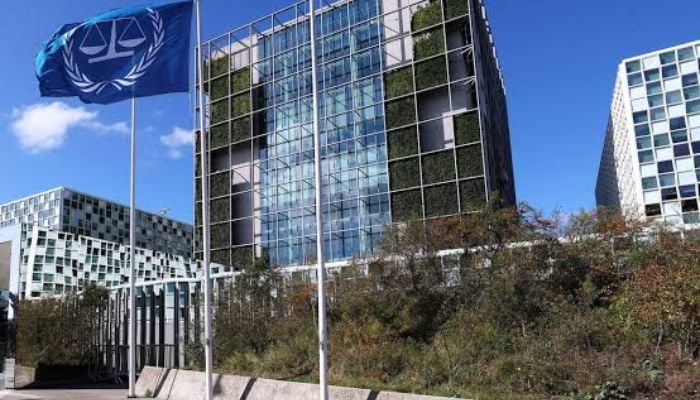
On Friday, US President Donald Trump’s administration reportedly imposed sanctions on the International Criminal Court hours after one of its former magistrates was awarded the Nobel Peace Prize, setting Washington on a diplomatic trajectory toward conflict with European allies.
The administration has long been hostile to the court and imposed sanctions on judges. Recent moves would take it a step further by potentially punishing companies.
Navi Pillay is the South American jurist who won the Nobel Peace Prize for her work in international crime justice and served as a judge on the ICC’s Appeals Chamber from 2003-2008.
In this connection, Secretary of State Marco Rubio stated in a statement: “ President Trump will never allow the International Criminal Court to prosecute Americans,
“That is why, today, the United States is sanctioning the International Criminal Court. We will ban transactions with this rogue court, cutting off their resources and crippling its ability to operate.”
The prize committee asserted it had sought to issue a reminder at a time when judges and institutions of international law are under political attack. US sanctions commonly bar all US-based companies from any work with a sanctioned organization which implies a collective, intentional refusal to deal with an organization or country.
Trump earlier instituted restricted measures against tribunal personnel on court officials during his first term which were nullified under President Joe Biden. Rubio said in a statement that the United States had delayed its sanctions hoping that the ICC and the countries party to its founding Rome Statue would address US concerns.