
PUBLISHED
February 22, 2026
KARACHI:
Ever wondered how Netflix manages to churn out successful shows that land on your watch list and quickly become the topic of discussion among friends? The answer is simple: for every hit, there are several misses. The platform experiments constantly, learning what works and what doesn’t. His & Hers feels like one such experiment — a miniseries that seems designed to test the audience’s patience. Despite being only six episodes long, it often proves frustrating. It combines a promising setting with decent source material — Alice Feeney’s 2020 novel of the same name — yet ultimately leaves viewers searching for logic that is difficult to find.
Starring Tessa Thompson and Jon Bernthal, the show appears to have all the ingredients of a gripping thriller: secrets, grief, betrayal, and revenge. However, it takes too long to reach a coherent conclusion and introduces more suspects than necessary, resulting in mixed outcomes. Some viewers may appreciate its layered mystery and consider it superior to much of Netflix’s routine output. Others may feel they have seen similar stories before — and may even predict the ending before reaching the halfway mark.
The plot
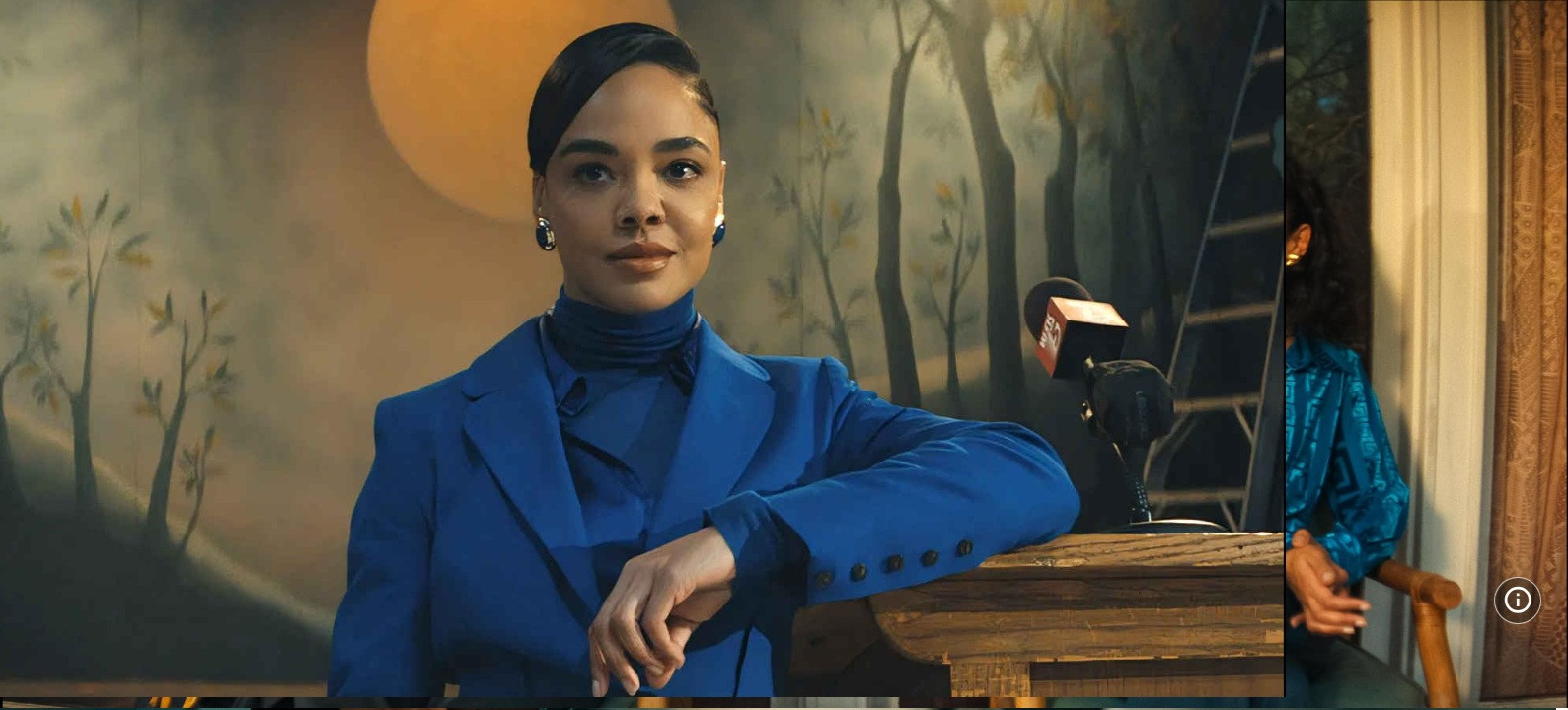
Anna Andrews (Tessa Thompson) is a successful news anchor in Atlanta who abruptly left town after an incident that devastated her family. Her husband, Detective Jack Harper (Jon Bernthal), stayed behind, living with his sister and niece. Their uneasy reunion coincides with the death of a local woman, Rachel Hopkins. What begins as a tragic case soon turns complicated when Rachel’s former classmates — all members of a secret school group — start turning up dead.
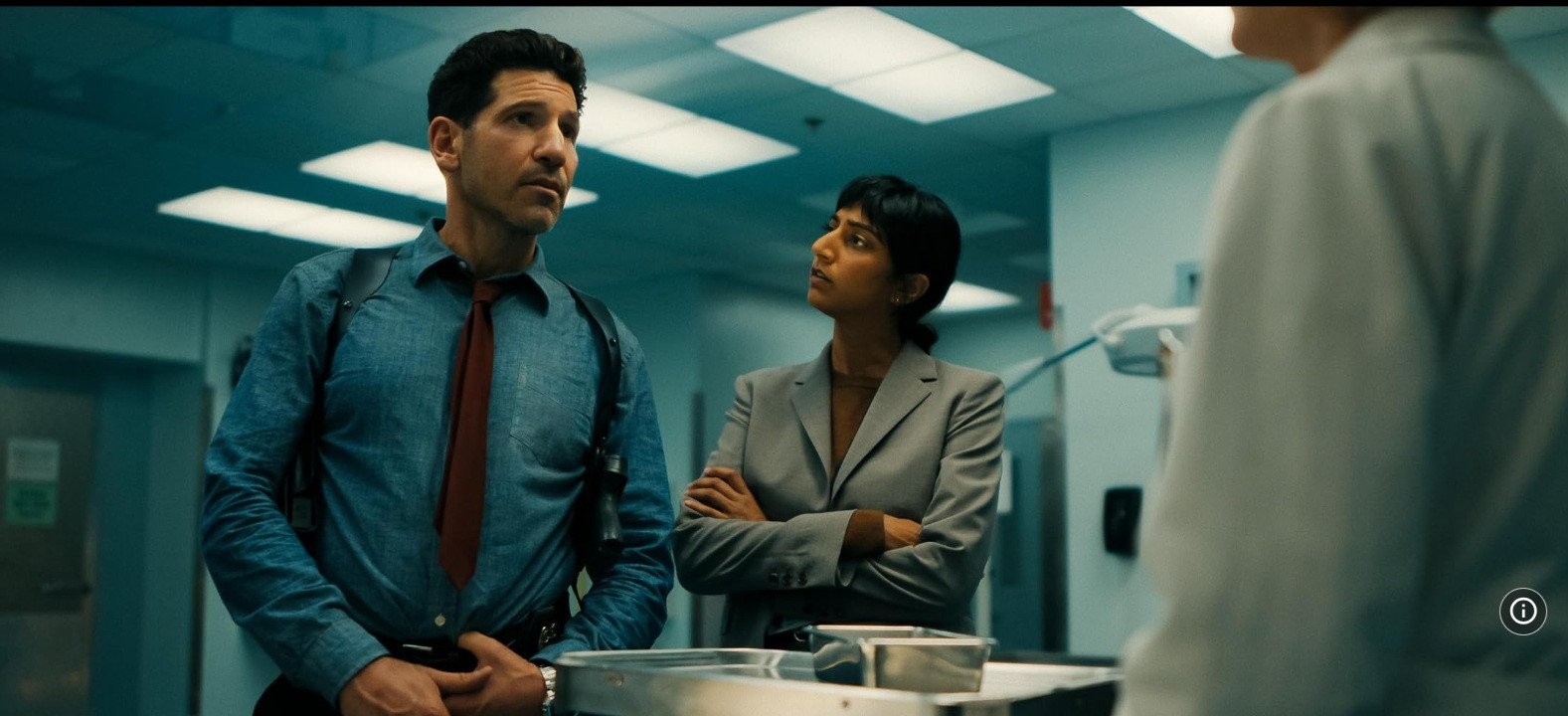
As the series progresses, suspicion falls on nearly everyone, including Jack, who was having an affair with Rachel, and Anna, who shared a troubled past with the group. Things escalate when Jack’s partner, Priya Patel (Sunita Mani), begins to suspect him, while Anna struggles professionally against Lexy Jones (Rebecca Rittenhouse), the anchor who replaced her at WSK TV News. As tensions rise, more characters enter the frame: Rachel’s grieving husband, Lexy’s cameraman and spouse, Anna’s emotionally distant mother, and Jack’s younger sister. Each revelation adds another layer, though not always clarity.
The narrative frequently shifts timelines, offering glimpses into the characters’ shared past while simultaneously advancing the present-day investigation. This structure attempts to build suspense but sometimes disrupts the emotional rhythm. Instead of deepening the mystery, the back-and-forth can make it harder to stay invested in a single perspective. Viewers may find themselves more focused on tracking information than on absorbing the emotional stakes.
The good
Even if you disagree with the resolution, it is hard to deny that Tessa Thompson and Jon Bernthal are compelling performers. His & Hers benefits immensely from their presence, especially in the early episodes. Thompson brings depth and vulnerability to Anna, particularly in scenes of grief and simmering anger. Bernthal delivers a committed performance, portraying Jack as a man slowly unravelling under mounting pressure. Their shared scenes carry an emotional weight that anchors the series when the plot begins to wobble.
Thompson, in particular, excels in quieter moments — a lingering look, a restrained outburst, a subtle shift in tone during a news broadcast. She conveys the internal conflict of a woman balancing public composure with private turmoil. Bernthal, known for playing intense characters, channels that intensity effectively here while also allowing glimpses of fragility to surface. When the two actors confront each other, the tension feels authentic, even if the script occasionally fails them.
Beyond the central mystery, the show explores themes of grief, marriage, trauma, and bullying. These are universal issues that resonate across cultures, not just in the United States. At its best, the series captures how unresolved trauma can shape adult relationships and cloud judgment. The psychological scars of adolescence linger, influencing decisions years later. The idea that the past never truly stays buried is one of the show’s strongest undercurrents.
Technically, the series has its moments. The cinematography effectively uses muted tones and shadowy interiors to create an atmosphere of unease. Nighttime scenes are particularly well shot, heightening suspense without relying on excessive jump scares. The background score, subtle and restrained, supports the tension rather than overwhelming it. These elements demonstrate that the creative team had a clear tonal vision, even if the narrative execution falters.
The series is undeniably binge-worthy. The writer and director appear aligned in maintaining a steady pace, and each episode ends with enough suspense to encourage the next click. Secrets unravel gradually, confrontations simmer, and new revelations keep emerging. For viewers who enjoy layered mysteries packed with interpersonal drama, there is enough here to hold attention.
The bad
Had His & Hers been condensed into a two-hour film, it might have worked better. Stretching the story to six episodes results in narrative padding. Many twists in the latter half feel forced rather than organic. Some revelations add complexity without enhancing coherence, leaving viewers puzzled rather than intrigued.
The abundance of characters also dilutes the emotional focus. Questions arise that the script struggles to answer clearly: Why are Jack and Anna truly estranged? What is the nature of Anna’s strained relationship with her mother? Is Jack living with his sister, or is it the other way around? Even when the show attempts clarification, confusion lingers.
Certain character decisions feel illogical. Jack’s efforts to conceal his relationship with Rachel seem inconsistent, especially when others appear aware of the affair. His suspicious behavior strongly points to guilt, creating expectations that the narrative ultimately subverts — not always convincingly. When a mystery relies too heavily on misdirection, it risks sacrificing plausibility.
The supporting cast — including Priya, Zoe, and Lexy — lacks sufficient depth. They often feel defined by a single characteristic: the overly efficient partner, the recovering addict sister, the ambitious rival. Instead of enriching the story, they sometimes seem present merely to misdirect the audience or extend the runtime. Stronger character development would have raised the emotional stakes and made the twists more impactful.
Unlike other small-town mysteries such as Mare of Easttown and Murder in a Small Town, the setting here lacks personality. Dahlonega never feels fully realized. The town should function as a character in its own right, shaping events and atmosphere. Instead, it remains a generic backdrop, diminishing the impact of the unfolding drama. The absence of a vivid community presence weakens the sense of consequence surrounding the crimes.
As for the ending, the barrage of twists ultimately becomes exhausting. Rather than delivering a cathartic payoff, the finale feels overcomplicated. While the creators may have aimed for a bold conclusion, it risks leaving viewers more drained than satisfied. A tighter, more emotionally grounded resolution might have resonated more strongly.
The verdict
His & Hers begins as a promising psychological thriller powered by two excellent actors, but falters midway. Although it attempts to regain momentum in the final episodes, it never fully recovers. The emotional themes of grief, revenge, and fractured relationships are compelling, and there are genuinely shocking moments. However, strong performances alone cannot compensate for uneven writing and narrative inconsistencies.
TV shows where one main murder dominates the backstory and minor murders form the episodes are successful on Netflix as well as on Cable TV. Had the makers gone that way, His & Hers could have been saved and even renewed for a second season, but it seems they wanted to stay true to the source material rather than appease the audience.
For some, it may be entertaining enough for a weekend binge. For others, it will feel like a missed opportunity — a gripping but flawed adaptation of a strong novel that loses its way under the weight of excessive twists. Beneath the suspense lies a story with potential, but too many cracks in the execution prevent it from standing tall.
All facts and information are the sole responsibility of the writer
Omair Alavi is a freelance contributor who writes about film, television, and popular culture