
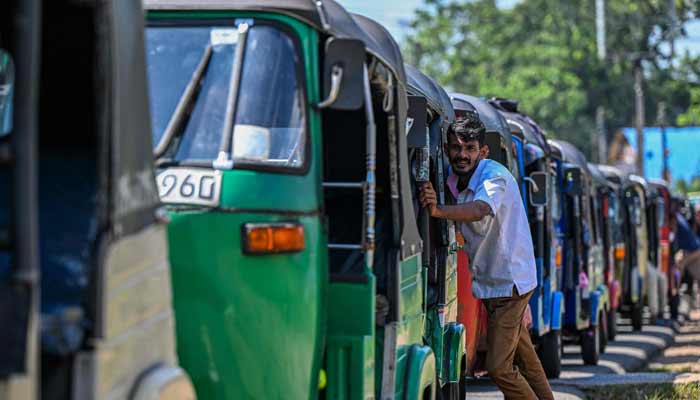
- Fuel price raised by 40% in Sri Lanka since war began.
- Sri Lanka mulling to modify IMF’s austerity conditions.
- Country currently hosting IMF to review bailout loan.
Sri Lanka is struggling to prevent a repeat of its spectacular economic collapse four years ago, as the prolonged Middle East war compounds the fallout from a deadly cyclone in November.
President Anura Kumara Dissanayake has rationed fuel, raised its price by a third and increased electricity costs by up to 40% since the war began disrupting global energy supplies.
Panic buying fuel in Sri Lanka has brought back memories of 2022, when the economy tanked, with inflation hitting 70% after Colombo defaulted on its $46 billion external debt.
The accompanying protests toppled the once-powerful president, Gotabaya Rajapaksa, who was accused of mismanagement and corruption.
But the Frontline Socialist Party (FSP) that led the “Aragalaya”, or struggle, that ousted Rajapaksa has warned that Dissanayake’s administration may be facing an implosion.
“We believe that a response to this economic crisis will come politically,” FSP politburo member Duminda Nagamuwa told AFP.
“Because of the strength of the [government’s] mandate, this economic shock is still being absorbed by the people without exploding politically,” he said.
Dissanayake’s leftist JVP, or the People’s Liberation Front, won a two-thirds majority at the November 2024 parliamentary elections after his own victory two months earlier in the presidential poll.
An IMF delegation is currently in Sri Lanka to review its four-year $2.9 billion bailout loan before releasing a $700 million instalment.
Sri Lankan authorities have said they may ask the IMF to modify the loan’s austerity conditions, given the country’s worsening economic circumstances due to external factors.