
- Sindh cabinet to meet on Tuesday to discuss proposals.
- Provincial govt proposes limiting unnecessary movement.
- Set to discuss change in fuel policy for govt vehicles.
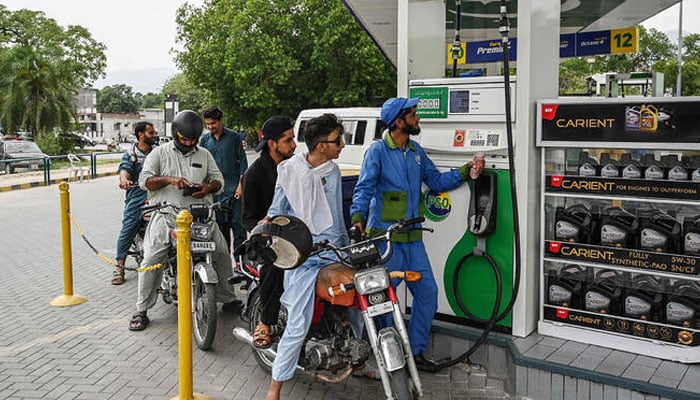
KARACHI: Amid a possible fuel shortage due to the ongoing US-Israel war on Iran, the Sindh government has summoned a cabinet meeting on Tuesday (tomorrow) to discuss possible measures, including limiting petrol supply to vehicles, to address the situation.
The ongoing conflict involving Iran, the US and Israel, and the closure of the Strait of Hormuz — a key global oil supply route — have raised concerns across Pakistan about a potential fuel crisis.
According to sources, proposals to be discussed include limiting unnecessary movement, shifting educational institutions to online classes and restricting petrol supply to vehicles.
Alternative working arrangements for offices, except essential services, as well as changes to the fuel policy for government vehicles will also come under discussion during the meeting.
Furthermore, the Sindh government will review proposals put forward by the federal government, and the cabinet will be briefed on discussions held with Federal Finance Minister Muhammad Aurangzeb.
Meanwhile, provincial ministers are scheduled to meet traders today to take them into confidence over the situation, sources said.
The prospective policy changes come after the government raised petrol and diesel prices by Rs55 per litre.
Multiple universities in Karachi, including the University of Karachi (KU) and the Federal Urdu University of Arts, Science and Technology (FUUAST), have decided to shift to virtual classes following the fuel price hike.
Meanwhile, Prime Minister Shehbaz Sharif is set to announce the federal government’s austerity and savings plan later today.
The premier presided over a meeting on Sunday to review measures aimed at maintaining economic stability amid rising regional tensions.
Addressing fuel shortage concerns, Petroleum Minister Ali Pervaiz Malik said three petrol cargoes were expected to arrive by Monday (today).
Officials have warned that if the Middle East conflict escalates, crude oil prices could rise to $120 per barrel, putting additional pressure on Pakistan’s economy.
Participants also discussed emergency energy conservation measures aimed at managing fuel consumption and ensuring continuity of economic activity.