
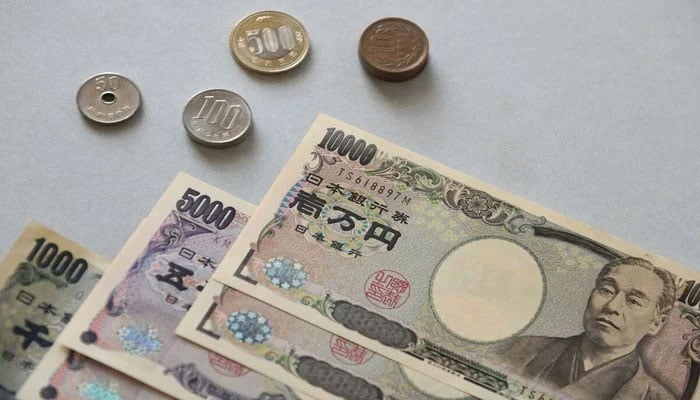
On Thursday, the yen suddenly leaped against the dollar, with traders alert and vigilant regarding the possibility of intervention by Japan to bolster the weakening currency and jumpy about a possible new approach to currency-buying from Japanese officials.
It was not immediately apparent what drove the move or whether Japanese authorities were in the market, with traders speculating that a possible rate check had already taken place.
In this connection, Derek Haplenny, head of research for global markets EMEA in London said: “ I think it is jittery price action, and we have payrolls and a holiday, liquidity conditions will be thin so markets are nervous about potential intervention.”
A rate check primarily refers to authorities calling dealers to ask for prices buying and selling prices for the yen, and is observed by traders as a crucial warning sign of intervention. It has been observed that the yen surpassed 162 per dollar earlier this week to its lowest level in 40 years. Consequently, it has weakened around 3% against the dollar so far this year.
A branch manager at State Street in Tokyo was of the view that the initial move looked like somebody was in the market, but now it is simply trading higher. He further clarified that the market is cautious and that the significant move reflects the psychological mood of investors, which is good news for the Ministry of Finance.