
LAHORE: Renewed geopolitical tensions in the Middle East have once again laid bare the vulnerability of Pakistan’s fuel-dependent economy, with policy experts and industry leaders urging a faster shift towards clean energy, The News reported.
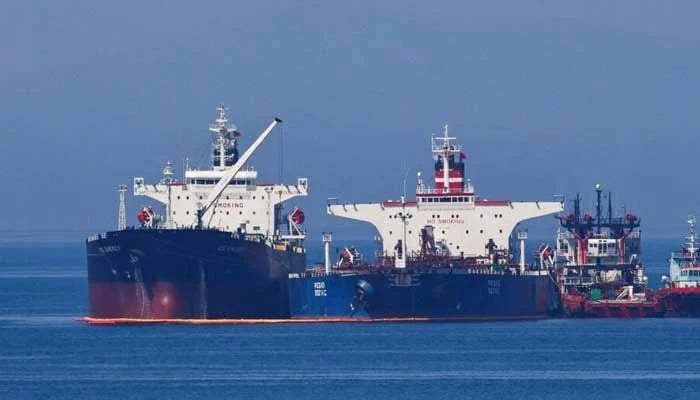
As tensions threaten the Strait of Hormuz, a vital route for a large share of global oil shipments, concern is growing over Pakistan’s heavy dependence on imported petroleum, which analysts say is increasingly unsustainable.
The crisis has already begun to ripple through the domestic economy, pushing up fuel prices and adding to inflationary pressure, while also threatening Pakistan’s remittance inflows.
Dr Khaqan Najeeb, a former adviser to the Ministry of Finance, noted that nearly 55 per cent of the country’s remittances, roughly $22 billion, originate from the Gulf region. A prolonged conflict could limit overseas job opportunities while putting additional strain on the current account.
“We are in this situation because of a lack of long-term planning,” Dr Najeeb said during a recent broadcast on Geo News, adding that recent price increases aimed at curbing demand have largely failed, instead raising transport and food costs.
To manage the immediate pressures, he pointed to International Energy Agency (IEA) recommendations, including behavioural changes such as remote working, carpooling and speed management. However, he stressed that the government should move away from blanket fuel subsidies and instead provide targeted support to vulnerable groups.
The transport sector remains central to the challenge, consuming around 80 per cent of Pakistan’s petroleum products. Unlike other sectors that may contract during economic stress, transport demand has remained largely inelastic.
“Even during periods of economic stress, consumption patterns remain largely unchanged,” said Danish Khaliq, vice president of sales and strategy at BYD. “This reflects a structural dependence on fossil fuels that has yet to align with the country’s evolving energy mix.”
Khaliq pointed to the rapid growth in rooftop solar adoption as a model for the mobility sector, arguing that New Energy Vehicles (NEVs) could help decouple transport from global oil price shocks by shifting demand towards domestically generated renewable electricity.
“Moving transportation towards electricity powered by local renewable resources can protect Pakistan from global price shocks while improving energy security,” he said, adding that the transition requires consistent policy frameworks and investment incentives rather than short-term conservation measures introduced during crises.
At the provincial level, the Punjab government has already taken steps to promote electric mobility. An official from the Punjab Transport Department said initiatives to encourage electric vehicle (EV) adoption were launched prior to the current crisis.
These measures form part of a broader push towards austerity and decarbonisation. Punjab is offering interest-free loans for e-taxis and has made it mandatory for new petrol stations to install EV charging units. The provincial government has also halted the purchase of new fuel-powered fleet vehicles and is deploying electric buses for public transport. In addition, partnerships with international firms are being pursued to establish EV assembly plants in special economic zones (SEZs).
Dr Najeeb emphasised the importance of expanding such efforts, particularly in public transport. “Electric-powered transport is the way forward,” he said, advocating mass transit systems in major cities and citing China’s experience in scaling up electric vehicle adoption as a useful model.
Experts say managing fuel prices may offer only temporary relief, while long-term resilience will depend on a structural shift towards renewable energy and the electrification of transport.