
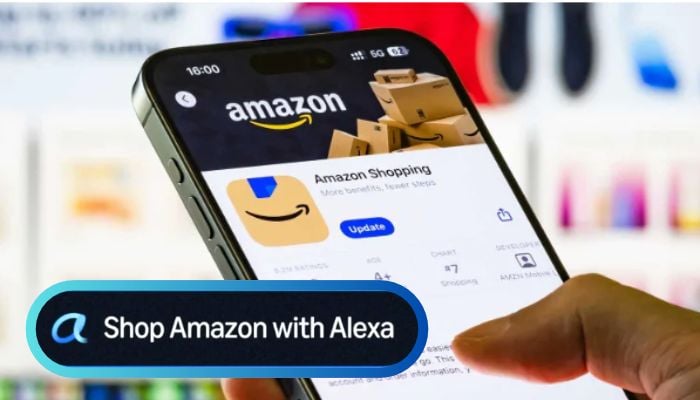
Amazon is rolling out a text-based shopping experience through Alexa for Shopping, its generative AI-powered assistant.
Key features of text-based Alexa shopping:
The new feature allows users to interact with Alexa via text message to search for products, compare items, track price drops, manage lists, and complete purchases entirely through natural-language conversation.
Users can text conversational requests—ranging from simple text notes (e.g., noting that you are out of dog food) to sending a photo of a recipe or outfit to find and order matching ingredients or items.
Cart management & checkout:
The AI agent texts back options, builds carts, and completes purchases with the customer’s approval. Users can also turn on “auto-buy” so an item is automatically purchased when it hits a target price.
Price tracking & history:
The assistant can watch for price drops, check package statuses, reorder past purchases, and provide up to a year of price history.
Conversations started via text seamlessly carry over to the Amazon mobile app, website, and traditional Alexa-enabled smart devices.
Technical requirements:
Because it relies on modern messaging standards, the feature requires a verified U.S. Amazon account and RCS (Rich Communication Services) enabled on compatible smartphones (such as iPhones running iOS 18+ or supported Android devices).
This move marks a major escalation in the competitive AI agent space, as Amazon seeks to keep shoppers anchored to its ecosystem while preventing third-party AI intermediaries from intercepting customer discovery and checkout.
The launch follows Amazon’s recent move to block Meta’s AI shopping agent, Muse, from accessing its marketplace, saying the tool appeared to access its online store without authorization and store customer credentials
Amazon also won a court order blocking Perplexity’s shopping agent, Comet, in March, though a US appeals court overturned the ban in August. However the case remains ongoing.
Availability:
The feature is initially launching as an invitation-only rollout to a small group of U.S. customers, with millions more expected to gain access in the coming weeks.