
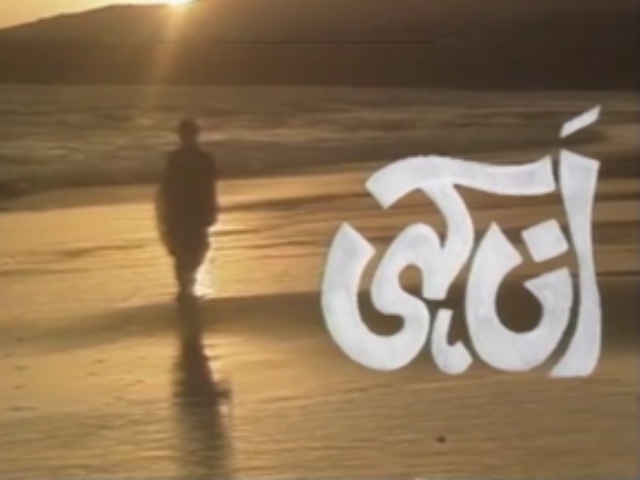
From Sana in ‘Ankahi’ to Zebo in ‘Udaari’, these female leads worked, endured and fought back
Long before “female-led” became a marketing line, writers like Haseena Moin were putting female leads on screen who held jobs and said no to men while the script stood firmly behind them.
Some of these dramas lived on VHS tapes before satellite television reached Pakistani households, sparking living-room arguments over the female role.
Either way, the six shows noted below share one thing: a woman at the centre who was allowed to be ambitious, wounded and whole, all at once.
Ankahi (1982)
Screengrab: Ankahi/YouTube
Also written by Haseena Moin, Ankahi put Shehnaz Sheikh opposite Javed Sheikh, Behroze Sabzwari and Qazi Wajid. The lead, Sana Murad, has no money, no real qualifications and an endless supply of nerve, which she uses to talk her way into a job she was not remotely prepared for.
Sana’s father dies early in the story, leaving the family in a financial dilemma, and Sana decides it’s on her to fix it. A chance meeting with a company chairman gets her hired, and what follows is a mostly comic, occasionally moving account of a woman figuring out office life as she goes.
Tanhaiyaan (1985)
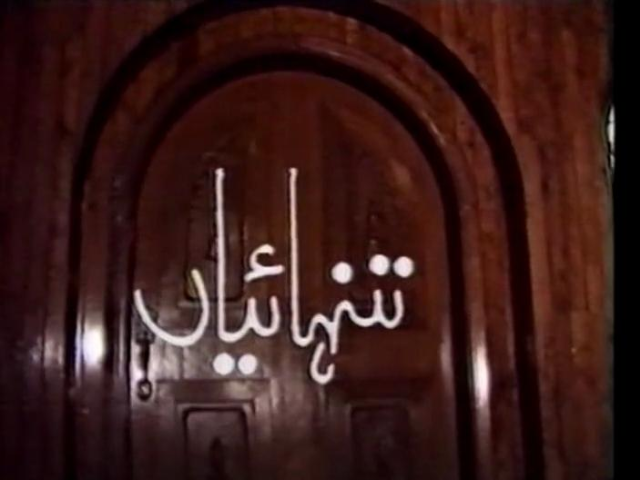
Photo: Tanhaiyaan/IMDB
Written by Haseena Moin and directed by Shahzad Khalil, Tanhaiyaan starred Marina Khan, Shehnaz Sheikh and Behroze Sabzwari. The drama centred around two sisters who lose both their parents and their family home in a blow. They are then left to figure out how to hold onto what’s left of their lives.
What made the show radical for its time wasn’t the tragedy but everything that came after it. With women finding work and earning money, the drama never stopped to explain or justify the choice to the audience; it simply let them get on with it, the way any drama about young men finding their feet might have.
Underneath the loss and the rebuilding, genuine warmth and wit run through the sisters’ friendships and mishaps, and it’s that mix of humour and hardship rather than the “landmark drama” label it’s usually handed that has kept people rewatching it decades on.
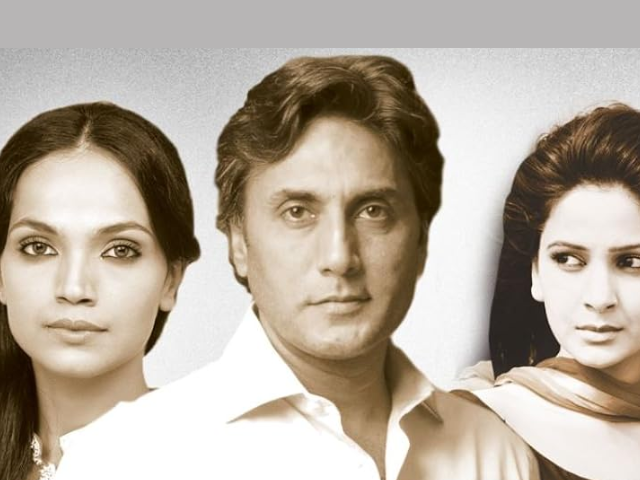
Maat (2011)
Screengrab: Maat/YouTube
Written by Umera Ahmad and starring Saba Qamar and Aamina Sheikh, Maat, meaning defeat, puts two sisters from the same lower-middle-class household on opposite paths and lets their choices do the talking.
Saman, played by Saba, chases comfort and status through one marriage and then another, while her older sister Aiman quietly absorbs the harsh reality of the world while building herself up.
For most of the show, Aiman looks like the one who’s lost, passed over, underestimated, treated as an afterthought by almost everyone around her, including her own sister. However, 25 years later, it’s Saman who ends up alone and regretful, while Aiman is the one who builds a home and has a son.
Maat tells the story of the kind of strength that looks like patience from the outside and turns out, decades later, to have been the winning move all along.
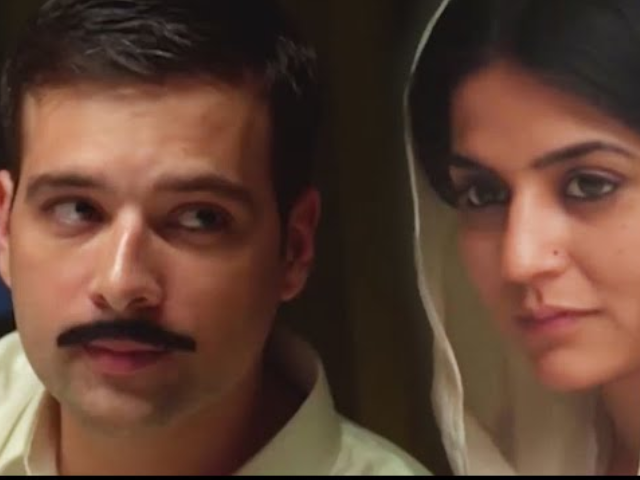
Durr-e-Shehwar (2012)
Screengrab: Durr-e-Shehwar/YouTube
Played by Samina Peerzada in one version and Sanam Baloch in another, the female lead in Durr-e-Shehwar marries expecting warmth and love but ends up getting cold silence from her husband and open hostility from her mother-in-law instead.
The daughter, Shandana, grows up assuming her parents had a flawless marriage, until she learns what her mother went through to hold it together.
That gap between the story a daughter believes and the reality her mother lived becomes the real subject of the drama: how each generation defines compromise differently, and what it costs to keep a marriage standing.
Digest Writer (2014)
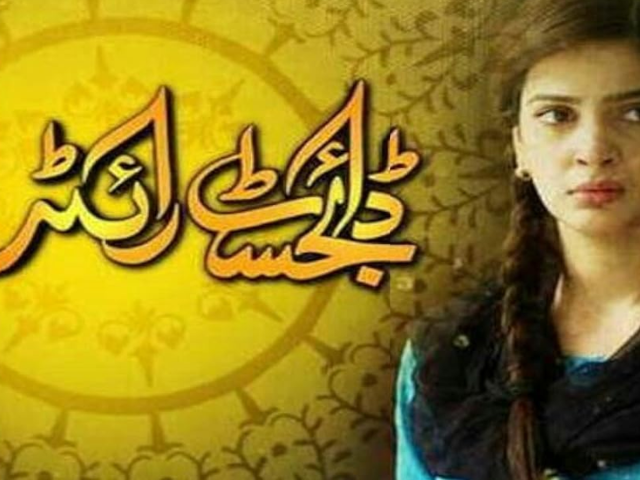
Photo: Digest Writer/IMDB
Saba Qamar plays Fareeda, a lower-middle-class college student whose father has already decided that all the family money and attention belongs to her brother. Writing is the one place Fareeda gets to exist on her own terms, and she pours herself into it under the pen name Rashk-e-Hina, sending her stories into a literary world that has no real interest in taking a woman’s ambition seriously.
A producer named Rida spots something in Fareeda’s writing and offers her a shot at adapting it for television, a break that should have been the turning point of her life. Instead, it drags her into a world of industry egos, professional betrayal and family pressure.
What makes Digest Writer linger is that it never lets Fareeda’s talent alone save her. She gets her recognition, eventually, but the show is honest about what she has to give up to get it, and it’s that honesty, more than the glamour of a writing career, that has kept the drama in conversation years after it aired.
Udaari (2016)
Screengrab: Udaari/YouTube
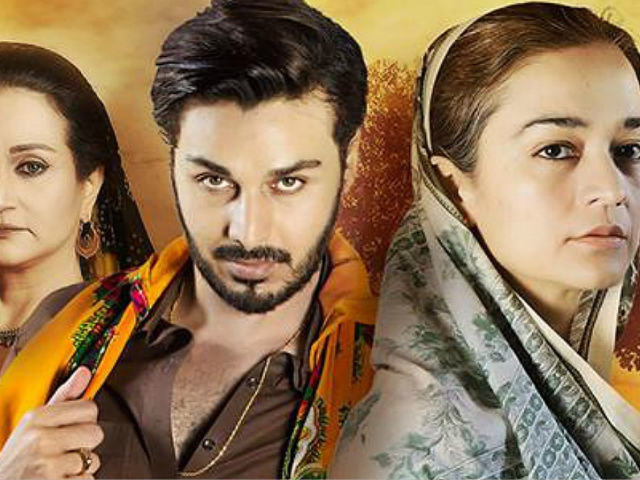
At the heart of Udaari is Zebo, a child whose innocence is shattered by abuse from her own stepfather. However, the drama doesn’t let the trauma swallow Zebo whole; instead, it builds toward a version of her who fights back, refusing to stay quiet about what was done to her.
Zebo’s mother, widowed and initially blindsided by the man she remarried, eventually turns her guilt into protection, leaving everything behind to shield her daughter and start over under a new identity. Then it’s Meera, a singer next door with troubles of her own, who steps in when Zebo needs it most, pushing her toward the courage to speak up rather than stay silent.
By the time Zebo takes the stand, she’s carrying the strength of every woman who refused to let her be broken by what happened to her.
A popular moment from Udaari is a courtroom scene, where Zebo flips the script on who should feel ashamed and names herself a survivor rather than a victim.
The shows reveal a pattern across four decades of Pakistani television: women who work, absorb, push back, and refuse to be flattened into either pure victim or pure hero. From Sana talking her way into an office to Zebo standing her ground in a courtroom, the dramas trusted their leads to be authentic, strong, and relatable.