
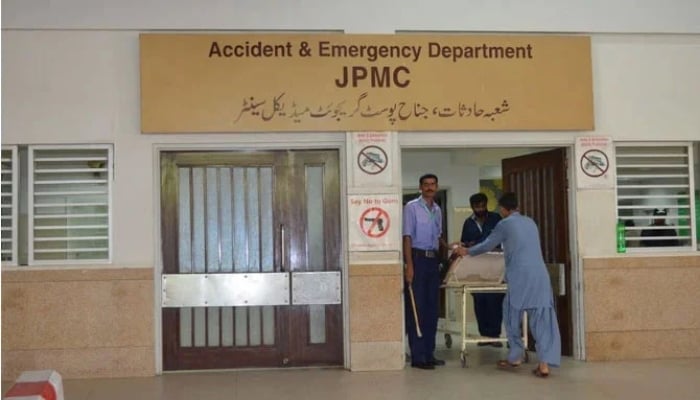
Public hospitals in Karachi witnessed a surge in patients suffering from stomach-related illnesses throughout the three days of Eid ul Adha, with many reporting vomiting, diarrhoea and abdominal pain.
Eid ul Adha, also known as the “Feast of Sacrifice”, was celebrated in Pakistan from May 27 to May 29, with Muslims sacrificing bulls, goats and camels across three days.
The religious festival commemorates the Qur’anic story of Prophet Ibrahim’s (PBUH) willingness to sacrifice his son in obedience to Allah, a test of faith that was divinely interrupted and replaced with a ram.
The occasion is celebrated with prayers, family gatherings, and charitable acts, including the ritual sacrifice of livestock, with the meat distributed to relatives, friends, and the underprivileged.
Meanwhile, Civil Hospital Emergency In-charge Dr Imran said that more than 100 patients visited the medical facility on the second day of Eid with complaints of vomiting and abdominal pain.
He added that more than 100 patients suffering from gastric illnesses also arrived on the third day of Eid.
At the same time, more than 50 patients affected by stomach ailments were brought to Jinnah Hospital on the first day of Eid.
Jinnah Hospital Emergency In-charge Irfan Siddiqui said complaints of vomiting, diarrhoea and indigestion had increased due to excessive meat consumption, low water intake and an unbalanced diet.
Medical experts said that consuming large amounts of meat while reducing the intake of vegetables and water could place additional strain on the digestive system.
They advised people to consume salads, vegetables and adequate water alongside meat to help avoid stomach-related problems.
Experts also urged citizens to avoid eating excessive quantities of meat at one time.