
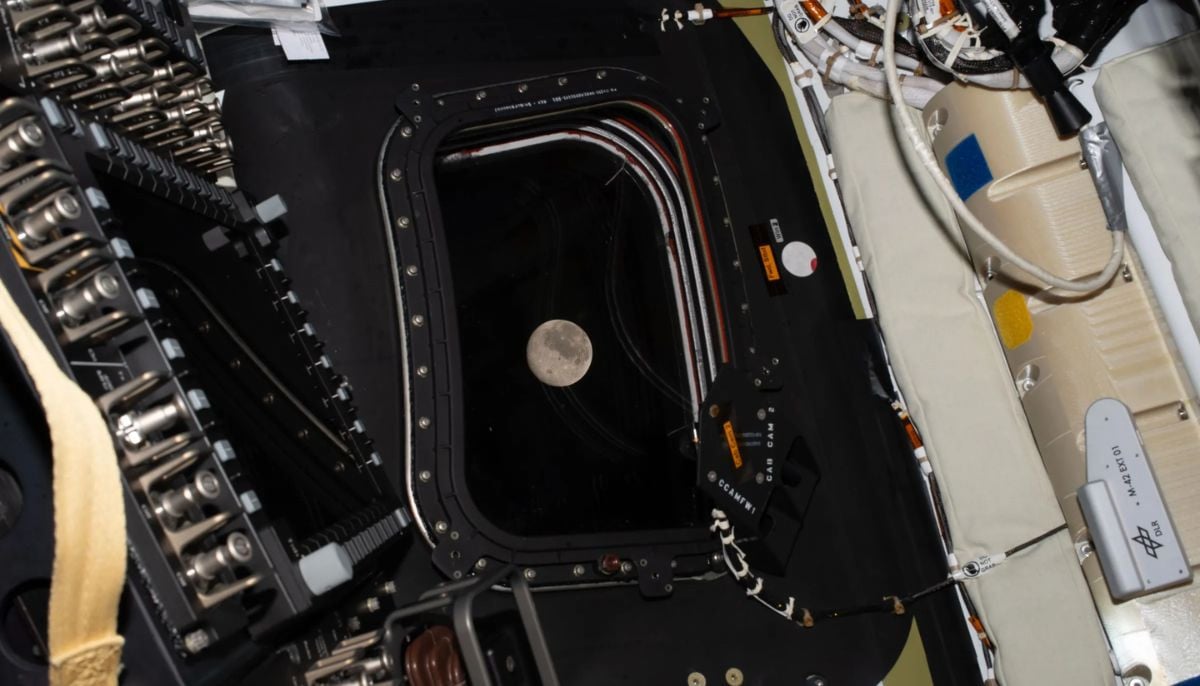
The NASA Artemis II splashdown has successfully brought the crew home after a historic deep-space mission that included a rare solar eclipse seen beyond the Moon.
During the mission, the astronauts witnessed one of the world’s rare celestial events, a solar eclipse, which occurred when the Moon completely obscured the Sun for approximately 53 minutes.
Soon after the event occurred, NASA released a time-lapse of the event which showed the Sun’s corona shining around the lunar disc.
NASA Artemis II captured solar eclipse
The Moon blocked the Sun during the solar eclipse, which left behind only a bright solar corona that appeared as a glowing halo. Nasa’s time-lapse video, which condensed almost one hour of totality into a brief clip, showed the unique astronomical event.
Scientists are currently investigating whether the glow contains both zodiacal light and corona or only one of these elements.
_updates.jpg "Did you know Artemis 2 astronauts witnessed rare solar eclipse? 8")
The long-lasting solar eclipse duration witnessed during Artemis II differentiates it from previous eclipse events captured on Earth. Totality on Earth exists for a maximum duration of several minutes after its occurrence.
The spacecraft maintained its deep space trajectory, which provided scientists with an extended time period to study the celestial objects. The scientists achieved better visibility of dim coronal elements together with background stars.
The visuals from the NASA Artemis II solar eclipse became sharper because observers watched the event from locations beyond Earth. As the brightness of sunlight decreased, stars and planets became visible to observers. Astronauts saw earthshine, which occurs when sunlight from Earth creates a dim glow on the Moon.
The Orion solar array wing cameras recorded the footage which captured the eclipse as the spacecraft travelled through the Moon’s shadow. The phase created an Earth communication blackout which lasted until Earth contact could be re-established.
Commander Reid Wiseman, together with pilot Victor Glover and mission specialists Christina Koch and Jeremy Hansen, observed the Artemis II solar eclipse. The crew experienced an extended totality because they travelled through space, which differed from the Apollo program astronauts who only experienced shorter eclipses.