
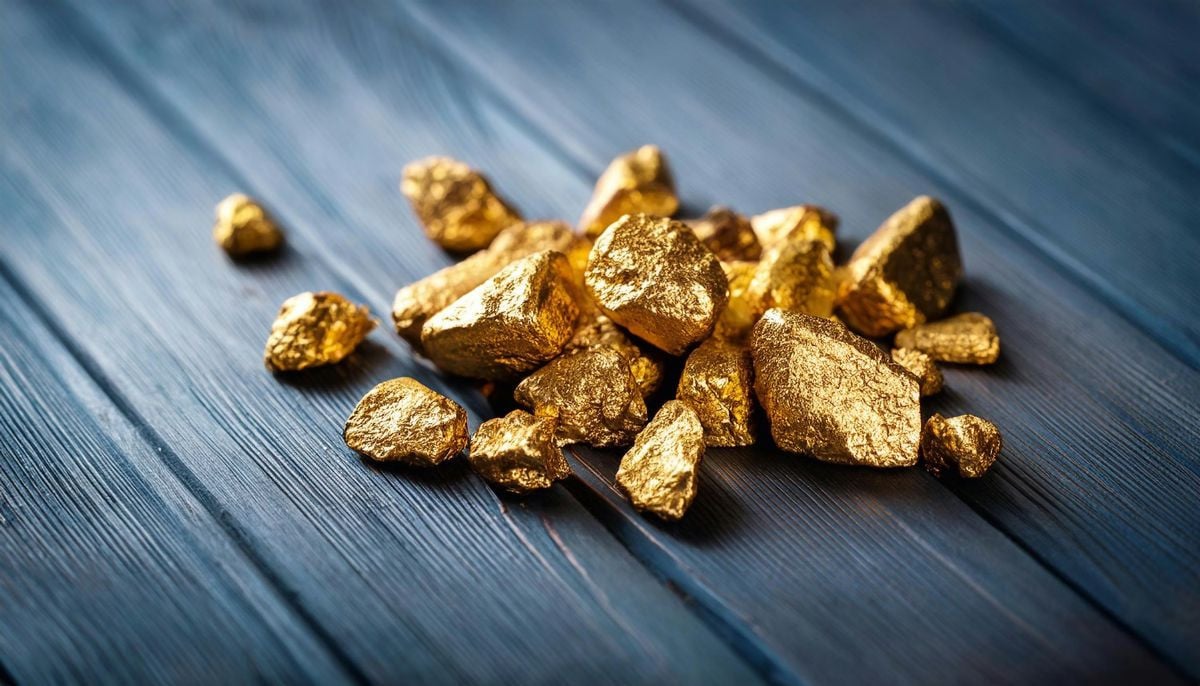
A new study published in Nature reveals that gold from deep inside the Earth’s core may be slowly rising towards the surface, reshaping understanding of the Earth’s core gold and gold leakage.
Led by Nils Messling of the University of Göttingen, the research shows that tiny amounts of precious metals are moving from the core into the mantle through volcanic processes over millions of years.
How is gold leaking from Earth’s core?
The researchers studied volcanic rocks from Hawaii, where they found traces of ruthenium, a rare element that normally exists in the Earth’s core. This provided strong evidence that material from the core is slowly mixing into the mantle, a process that also explains gold leakage.
Scientists explain that the transfer process occurs through large plumes which contain molten rock that ascends from the Earth’s interior. The plumes transport tiny quantities of heavy metals, which include gold, to the Earth’s crust.
The relationship between gold and ruthenium enables researchers to establish both elements as chemically identical materials. The presence of gold on Earth today indicates that some of this material originated from Earth’s core.
The study estimates that this gold leakage process can take between 500 million and one billion years. The planet’s composition will experience changes because of extremely small amounts found in various locations on Earth.
The discovery introduces new scientific knowledge about how Earth’s core and mantle interact with each other. The research creates new scientific enquiries about how the planet evolved and how its valuable metals first appeared.

At The News Digital, our editors combine entertainment savvy with global reporting expertise. Expect authoritative coverage of royals, Hollywood, and trending topics, plus clear, reliable updates across science, politics, sports, and business. We keep it accurate, timely, and easy to understand, so you can stay ahead.